One of my favourite memes and one I often post on Twitter (or X or whatever the hell it is called these days) is a quote attributed to John Lennon, and what it says is this; Time you enjoyed wasting was not wasted. I kind of like that quote and it’s one that I often think about when I’m pottering about either reading, watching TV or surfing the internet.
 Having the odd day just pottering about is good for the soul and for me, an opportunity to indulge in numerous cups of tea and sandwiches. I really do like my sandwiches.
Last week Liz and I went to a funeral and I suppose I’m at the age now (let’s just say mid-sixties) when I tend to see more funerals than weddings.
I can’t say I knew John, the deceased, particularly well and I was surprised to find that he was a foundling, abandoned as a baby and never knowing his birth family.
The service was good and in fact the vicar struck what I thought was the perfect note, not too sad and not too light hearted. John’s son by a first marriage was brought up in Canada and he seemed a very pleasant fellow recounting stories of the fishing adventures he and his father had in Canada.
The first ever funeral I went to was my Uncle Raymond’s. Raymond was my favourite uncle and the most wonderful guy. When I first started work when I was sixteen, going on seventeen, I used to get off my bus, the 152, at the Bluebell pub in Handforth after coming home from work in Manchester and Uncle Ray was there, waiting for the pub to open. Inside he chatted to everyone, the staff, punters he had never met before and at the drop of a hat would produce the photographs from his recent cruise showing him and my Auntie Elsie sat at the captain’s table. He would come back home with us, have dinner and then take my dad out to finish the evening off.
When he died his funeral cortège took a detour past the British Legion, one of his numerous watering holes, and the staff and customers came outside to pay tribute as his coffin passed slowly by.
The funeral was sad and tearful and the wake was pretty similar. A lot of sad people, a lot of tears and my dad, who had probably lost his best friend, was devastated. I was driving that day and was asked to run some long forgotten relative home. I did so and returned a short while later. Only twenty minutes or so had passed but when I returned, I returned to a happy, noisy, enjoyable party, full of laughter and fun. I don’t know what had happened in the twenty minutes I had been gone but I came back to exactly the sort of party that my Uncle Ray would have loved.
When my Gran died the funeral service was held in Marple, I’m not sure why as it was nowhere near where my Gran lived or was buried. The journey from there to Southern Cemetery in Manchester was for me, a masterpiece of motor car management, juggling with high water temperature and having to dive into a garage to top up my car with water.
At the graveside I noticed my dad making signs to the two grave diggers and after the coffin had slipped into the ground and the final words of the vicar had faded, my dad, a former grave-digger in years gone by, had a happy and joyful reunion with two of his old co-workers, much to the dismay of my mother who stood with me and cried her heart out. (Not your finest moment, dad.) At least he thought better of introducing her to his friends which I thought he was going to do at one point.
Funerals are odd things; in a way they are not for the dead but for the living, those left behind after a loved one has died and I have to say, not only did I enjoy my mother’s funeral, although enjoy is not perhaps the right word, but it helped me more than anything to say goodbye to her.
Back to this more recent funeral and as the drinks began to flow the sadness of the occasion seemed to ebb away. The only really disappointing issue was that the funeral was scheduled for 9:30am which for someone, who since retiring no longer has to get up early, was a bit of a challenge.
The buffet was served at 12 on the dot and despite there being quite a considerable gathering there was no concerted rush for the food in fact I was the one of the first to get up. I really do love funeral food. A buffet is comprised of pretty much everything I love, pork pies, sausage rolls and of course sandwiches. There were my two favourites, cheese and ham and there were also some rather nice cheese and tomato pizza slices. The tuna sandwiches were not my cup of tea at all so I avoided them like the plague. Still there were plenty of other delights for me including a lemon drizzle cake for afters.

A pork pie selection: Terry Kearney, CC0, via Wikimedia Commons
A few years ago, I went with Liz to another funeral in Lytham. I felt distinctly out of place, an intruder even, as I did not know either the deceased or his family. There was however, a rather nice buffet which, under the circumstances, I felt it was important to do justice to. The world is full of wonderful food and some outstanding cuisines but I do think that there is nothing nicer than a pork pie. Some moist pork, some jelly, all encased in pastry, what could be nicer?
On that particular occasion the widow had seriously underestimated the demand for food and I did feel a little mean when I grabbed the last pork pie moments before a teary-eyed lady in black appeared and eyed the empty plate somewhat wistfully.
When I was introduced to her later, I could see from her expression she was trying to place me. As I smiled and offered condolences I saw the moment of realisation, and I almost heard her say in her mind ‘I recognise him- he’s the bugger who took the last pork pie!’
Some elements of this post came from a previous one so apologies to regular readers if it sounds familiar.
What to do next: Here are a few options.
Share this post on your favourite social media!
Hit the Subscribe button. Never miss another post!
Listen to my podcast Click here.
Buy the book! Click here to purchase my new poetry collection.
Click here to visit Amazon and download Floating in Space to your Kindle or order the paperback version.
Click here to visit amazon and purchase Timeline, my new anthology.
 OK, let’s get started. The first thing to remember about blogs is that a big wall of text tends to put off readers so it’s a good idea to break up the text with a few pictures. What kind of pictures though? Well in the blog posts themselves I’ll use either my own photos or use an online stock photo site like



 trickier. First the user has to upload pictures of the person you want to make an AI model of, in this case me, then you add a prompt to describe the picture you want. On Nightcafe and many other AI sites too, you can upload a picture and develop it. On Freepik you can hit the reimagine button and a different version of your picture will appear.

 Both of the images above were supposed to say ‘New blog post out now!’ Oh well.
 OK, what AI image can I create now for my next social media post? What about an art gallery, perhaps seen from above? Light streams in dramatically from windows off to the side. It’s a wide angle shot, looking down. Art lovers are admiring a new poster advertising my blog. It should turn out something like this . .
 This week I thought I’d continue with my theme of
  As much as I love writing it’s not always that easy. You might think, well all Steve does is settle down and tap away on his laptop and hey presto, there’s a new blog post. The problem is that when I settle down in front of my laptop, the ideas don’t always come. Not only that, there is always the temptation to scroll through Facebook or to search for more things that I didn’t even know I wanted on eBay.
 It’s been another cold and wet week and as usual I’ve tended to lie back on my couch and watch a lot of television and not just broadcast TV either. Lots of times when broadcast TV isn’t up to the job of entertaining me, I’m forced to crank up a recording and watch that. Just lately I’ve watched a couple of biopics, films about real people, so for this post I thought I’d continue that theme and look at films and TV shows where the actors have had to portray real people.
 Stan Laurel
 As usual I’ve been stressing about to what to write about in my next blog post. It’s a great feeling to have an idea, create a post, polish it, make some graphics and add pictures and a video and then to see it finally published but then I start thinking about next week. What can I write about next?
 It turns out that Tucci, currently living in London, is a bit of a food buff and amateur chef and he was in the studio to cook some food and talk about his latest book What I Ate in A Year. Wow I thought and as I looked up, a picture of a flashing light bulb appeared above my head with a sign saying ‘new blog post idea!’
 A must for us on a Monday night is a visit to the Ego restaurant in Lytham. They have a special Monday offer which includes two courses for a much cheaper than usual price and also £10 off a bottle of wine. We used to have the sharing board for starters but this week I plumped for the cheesy mushrooms and Liz had the scallops. For the main course I’ll sometimes go for a steak or if I’m not madly hungry I might go for something a little smaller. On our last visit I decided to go for the beef bourguignon and Liz went for a dish off the new menu, lamb kleftico, served in a rather odd way in the paper package in which it was cooked.
 battered fish and two side orders for which we usually get a tub of peas and a tub of curry. I’m not a great lover of fish but I do like my battered cod or hake. Another bonus is that our local chippy delivers so all I have to do is get the teapot warmed up while we wait for our food.
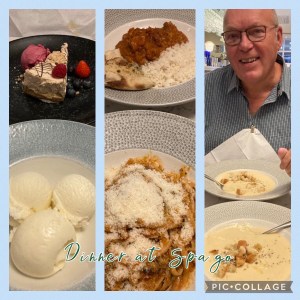 Thursday is our quiz night and we tend to eat out before going down to the pub for the quiz. This week we went down to Spagó in Lytham who have yet another special offer running on Thursdays. (Noticed a trend at all in this dining out saga?) The Spagó deal is two courses for £12.95 or three for £17.95. The only drawback here is that the wine is a little dear so I sometimes drive down and we’ll just have one glass of wine each and a large jug of water. The menu changes every week and the last time we visited I had the cauliflower soup with garlic and pesto and a main course of lamb stew with mash and carrots. The portions are a little small but perfect if you are not in the mood for a huge meal. The service is pretty good and so I have plenty of time to drop Liz off at the quiz and to park the car up somewhere for the night so I can walk down and pick it up in the morning and enjoy a few beers at the quiz.
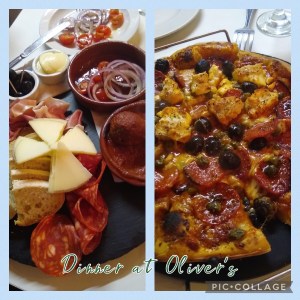 Sometimes Liz and I will stay at home on a Friday but not so long ago we met up with some friends and went to Olivers, a small place in St Annes that serves pizza and pasta. My favourite dish there is a sharing board which consists of the chef’s home made bread, olive oil, mayonnaise, parma ham, salami, cheese, olives and we always substitute the potatas bravas with a tomato and onion salad.
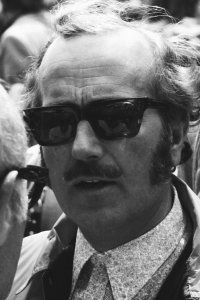 Colin Chapman.
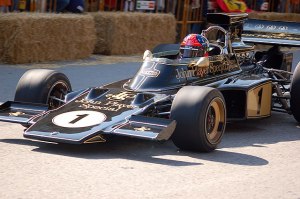 Lotus produced other groundbreaking cars such as the Lotus 79 which dominated the 1978 championship. The car was the first ground effect car which used aerodynamics to produce a low pressure area under the car which literally sucked the car down to the track. Skirts were added to seal in the low pressure area but ground effect cars were later banned.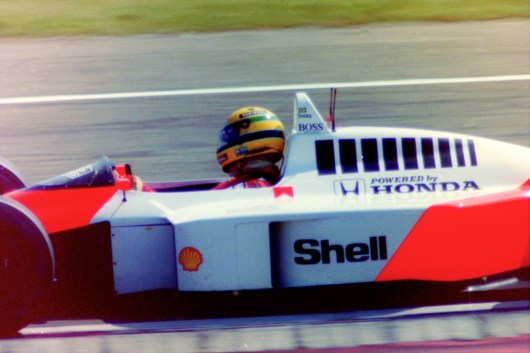
 Barnard first worked in F1 for the McLaren team in the early 1970s then moved to the USA to work in US racing. He was recalled back to McLaren when the team was taken over by Ron Dennis and there he produced the first carbon fibre chassis in F1 which was built for the team by Hercules Aerospace in the USA. Other teams followed and today all F1 cars are built using carbon fibre.
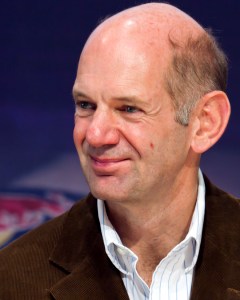 Adrian Newey.
 Once again my birthday has come round and I’m another year older. In some ways I don’t mind being 68, after all I’ve put the time in, the full 68 years. A few years ago I retired. Once upon a time I loved my job, I mean really loved it, so much so I hated to have time off but in the last few years I went the other way. I hated it and after a long spell of being at home because of Covid and also helping Liz who had just had a hip replacement and needed assistance for a while, I really wasn’t keen on going back. I used up all of my remaining holidays, looked at my financial situation and realised I could retire about 6 months early. So I did! Those 6 months before my state pension kicked in were a little tough financially but what the heck, I was glad to be finished with work.

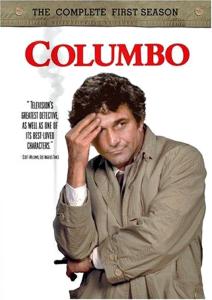 The Columbo of the early series is an absent-minded quirky fellow although in later episodes, Peter Falk who plays the detective, seems to downplay that quirky element. The later episodes are still pretty good though and among various episodes on TV today was Any Old Port in a Storm with Donald Pleasance as the guest murderer. Pleasance plays Adrian Mancini, the part owner of a wine producing business. He is something of a wine snob and he has just been voted ‘man of the year’. That was the good news; the bad news is that his half brother is threatening to sell the business. That of course doesn’t go down well so Adrian in a fit of anger bumps him off. A whack on the head didn’t quite do the job so Adrian leaves him to suffocate in his wine cellar. Unfortunately, it happens to be a really hot day which eventually leads Columbo to the clue that bags the culprit.
 The Bay of Pigs was a great disaster for Kennedy. He inherited the invasion plans from the Eisenhower administration in which Vice President Nixon was a prime mover. Nixon felt that an invasion would boost his chances in the election contest against Kennedy but the CIA seemed to be relying on the assassination of Castro to kick off the invasion but that planned murder, for whatever reason, never happened.
 Ten Days to Destiny by John Costello
 This book was the sequel to another book about Bill Clinton. The first one dealt with Clinton’s early life and his election to the presidency; this one takes us through his first four years as president. The author takes us through the years of the Clinton White House and documents the issues like Troopergate; when the former Governor Clinton’s State Troopers revealed the comings and goings of Bill’s various mistresses, as well as the disaster of his healthcare reform work which he entrusted to his wife Hillary. The public clearly weren’t keen on Clinton’s ‘co-president’ – his wife, and their healthcare proposals were rejected by Congress. The mid term elections were another disaster for Clinton and the Democrats and the book goes on to show how Clinton turned the final two years of his first term presidency around and was able to win a second term.
 Encore Provence by Peter Mayle
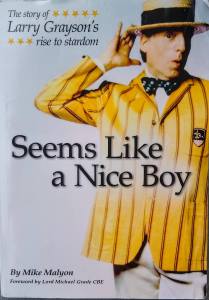 Many have speculated about his true sexuality but it’s clear that Larry enjoyed being labelled as camp rather than gay. The main relationship in his life was with his sister who became a mother figure to him when his adoptive mother died. The two lived next door to each other for many years in later life.
