A while back I wrote a post about Liz’s garden and all the things that were growing there. Now we’re in September it might be a good time to look again and see how things are.
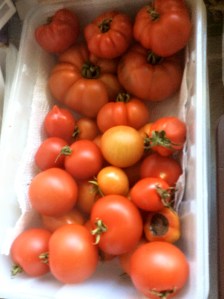 The tomatoes have done well. There are not too many to show you because we both love tomatoes and between us we’ve scoffed a great deal. We’ve had some fried with bacon, sausage and eggs and some in my favourite salad; tomato and onion with plenty of olive oil.
We didn’t get many peas or broad beans but I’m guessing if we did Liz and daughter Zoë would have soon eaten those too. They like to eat them raw, nibbling on them as they pass by.
The cauliflower are not looking great as they have been the victim of some serious nibbling by the garden’s indigenous insect population. The insects can’t have been that keen on the celeriac as even though they were planted right next door to the cauliflower they are looking well.
We had a good crop of strawberries this year but they too have been harvested and eaten. We like them served with raspberries and some Greek yoghurt.
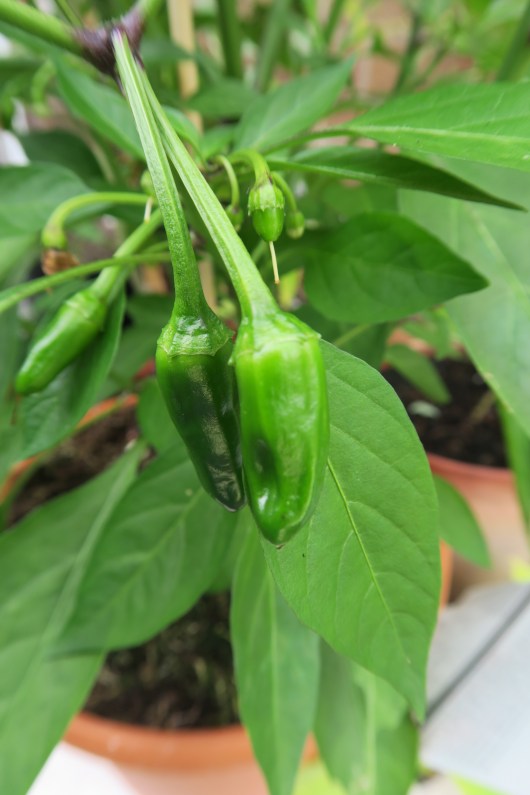 The padron peppers are looking good. I’ve seen padron peppers on the tapas menu in Lanzarote in the past but I’ve never tried them. This year we’ve had plenty of peppers on the barbecue and I have to say, I’ve got to really like them.
 I grew some chilli pepper plants from seeds. Most have not done too well except for one which has resided on the kitchen window sill throughout the summer. That plant has a few chillies just waiting to be added to either a good chilli con carne or any one of a number of spicy dishes served in our household like Liz’s hot goats’ cheese with spinach and chilli. Another chilli plant, one that came direct from the garden centre sale is doing really well, that’s it in the picture above.
There is some garlic too, over on the far side of the garden which comes in pretty handy for curries and all sorts of spicy dishes. We sometimes add some to our tomato and onion salads too.

I’ve got two olive trees and both seem to have fruit on them, whether they will become fully rounded olives is another story. Some nice black olives would come in pretty handy as they are really nice when added to the tomato and onion salad I mentioned earlier.
It’s been nice to see that the apple pips I planted earlier this year have sprouted into two small plants about six inches high. Might be a few years before I see any apples though. that’s one of the apple plants in the collage below, bottom right.

Some years ago, I grew some lemon plants from pips. I really do love growing things from pips. It’s like having a close up of nature renewing itself. My lemon trees are probably about three years old now and according to the internet, they have to be three to five years old to produce fruit. That’s if they will produce fruit. The thing is if they did produce fruit, if they did actually produce a lemon for me that would be so wonderful, I’d be over the moon.
I’d probably cut a big slice of my lemon -my future lemon- and drop it into a gin and tonic with a whole lot of ice or maybe even a Bacardi and Pepsi Max. Then I’d savour it and quietly thank my tree for giving me a lemon. Once, Liz and I rented a villa in Spain and in the gardens were a whole bunch of lemon trees so we could pick one whenever we wanted.
 I do have another lemon tree, a shop bought lemon tree. It’s only small but is obviously grafted and came with a few lemons already growing on it. After a few days my two small lemons dropped off and that was that. I’ve had it for about a year but I’ve watered it regularly, letting it dry out just like they say in those how to do it YouTube videos and blogs that I’ve been researching. I’ve fed it too with the correct fertilizers and nutrients. The other day I noticed something on one of the branches, something that at first glance seemed like a small bit of fluff or something that had been blown in on the breeze but it wasn’t. It was a flower and the beginning of a small lemon!
September has never been one of my favourite months. The days are getting shorter and cooler but last week here in the north west UK we had something of a mini heatwave so rather than go out to a restaurant or eat inside, it was time to crank up our very handy mini gas barbeque. As usual we started off with a tomato and onion salad. Slice your home grown tomatoes and place them in a dish, sprinkle with finely chopped red onions, pour over a glug of good olive oil and season well and if you fancy, throw in a few black olives and even some garlic; lovely.
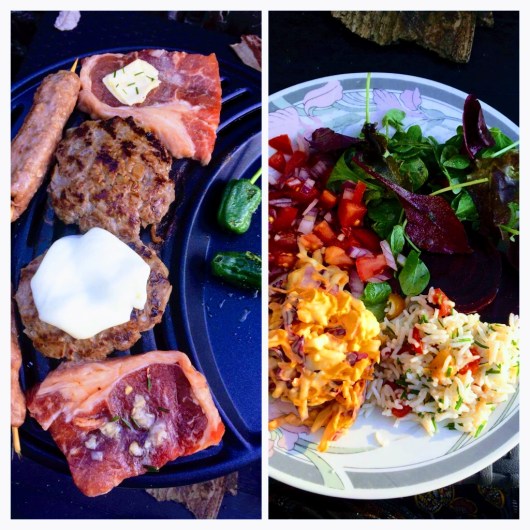
Another addition is a tomato, chive and rice salad and some homemade slaw. We usually add a bag of salad leaves and we’ll nibble on all that while Liz slaps on our first course, small kebabs made from beef lorne sausages seasoned with cumin and some salt and pepper.
Next up on the little barbeque are some padron peppers, home grown of course, just simply seasoned and rubbed with olive oil.
A couple of homemade burgers go on the grill and I like them served up in a toasted bun with some of my tomatoes and onions and a nice portion of either mustard or tomato sauce. Final course, a small steak served medium for me and medium rare for Liz. Glass of wine? Don’t mind if I do!
What to do next: Here are a few options.
Share this post on your favourite social media!
Hit the Subscribe button. Never miss another post!
Listen to my podcast Click here.
Buy the book! Click here to purchase my new poetry anthology.
Click here to visit Amazon and download Floating in Space to your Kindle or order the paperback version.
 Decisions can change your life. That’s why it’s important to make the correct one but it’s always seemed to me that I tend to make the wrong one.
 Of course, we had to factor in the anti glare coating and I had asked for what I always call Reactolite lenses, lenses that go dark when it gets sunny, apparently now called ‘Transition’ lenses. Yes, I can do you a great price said the optician, £245!
 Week after week, I knock out a new blog post all in the mostly vain hope that my readers will watch the promotional video down at the bottom of this page and either buy my novel,
  As usual on this blog I’ll be talking about books, films and TV and what started me off on this theme of prisons and prisoners was watching my box set of the 60’s TV series the Prisoner. Anyway, I’ll get to that shortly but first let me start with a book. It’s one I reviewed earlier in the year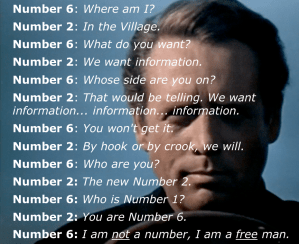
 As I’ve mentioned in a number of blog posts, it’s not enough to simply write a book, you have to get out there and start to sell it. Marketing is the bane of any self-published author’s life. Videos, Tweets, Facebook posts and WordPress blogs; I’ve done them all endlessly trying to bring my two short books into the media spotlight and flog a few copies.
 I heard nothing back but while I was shopping at Asda, I saw a stack of the free paper The Local Voice and picked one up. To my surprise there I was, beaming at the camera on page 8 proudly displaying A Warrior of Words to the unsuspecting reader. If that small article will get me any new sales only time will tell. Until then I’ve put the order for my new Ferrari on hold. I have to say though that seeing my picture in the paper did give me a sense of pride, just like whenever someone presses the ‘like’ button on one of my posts. Writing gives me a sense of accomplishment and like everyone, the occasional pat on the back – or picture in the newspaper – gives me that feel good factor.
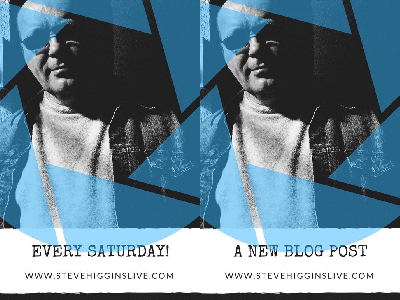 When I first started this blog a few years back I used to post pretty randomly but after reading up and subscribing to a few blogging experts I felt that I should decide on a regular time to post. I chose 10am on a Saturday morning. The great thing about having that particular slot is that I can focus my writing towards it, it’s almost like being a professional writer and having a deadline for a newspaper or magazine column. The flip side is that when I’m not so well or haven’t any ideas I start worrying. What will I write about? What if I cant think of anything? So far everything has gone pretty well, the deadline actually gets me motivated to write. Maybe I need a deadline to help me with the follow up to Floating in Space!
 I did stop for a moment with Daniel Riccardo, the Australian driver. Looking at his race team fireproof top and all the advertising on there I started to wonder whether it actually does those advertisers any good, sponsoring an F1 team? I mean who or what is Splunk? What do they do? What product do they make or what service do they provide? I’ve no idea, so do all the millions they pump into McLaren ever get a return? Does anyone think: Daniel had their logo on his shirt, I’ll buy their product? Nah, doubt it.
 I’m not sure how I came to write about this subject but what the heck, I’ve started so I’ll finish as they say. What can I say about my body, that great big lump of flesh and bone that I drag out bed every morning? Well for a kick off I don’t think it’s quite fair that I got lumbered with this particular one. Why couldn’t I have one like Tom Cruise perhaps or even Arnold Schwarznegger? Yes ok, I know that I could have had a body like Arnold’s if I had spent a lot more time in the gym, it’s just that I’ve always found exercising a little boring.
 The lockdown has almost come to an end here in the UK this week. There are still some restrictions and it’s still advisable to continue wearing a mask in public and to keep washing your hands. If anything, at least we may benefit from the increased hygiene standards in future. I’m lucky in that I haven’t had the coronavirus but not only that, the winter is usually a bad time for me because I always, always end up with the flu or at least a very bad cold. This year I haven’t and that must surely be due to the continued hand washing and mask wearing.

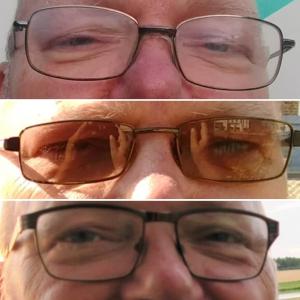
 Quite a while back, probably over two years ago, I seemed to be having problems focussing my right eye. My right eye is actually my good eye, the other, the left one is what my optician has always called my lazy eye. Years ago as a schoolboy I had to watch TV for an hour a day with a patch over my good eye. This was supposed to make my left eye, the lazy one, pull its way a bit more. That was successful to a point but the right one has always been better.
 One day when I had left school and could afford to pay for my frames I bought some aviator styles. I always loved that aviator shape you know, that sort of stylish aerodynamic looking frame. I even had a pair with smoked graduated lenses. That’s just an excuse to show you my favourite picture of myself. I was 21 and had the whole world at my feet. I was in Paris having just packed my job in and I was having the time of my life with one of my best friends, and I loved those glasses. A lot of years later when my optician recommended a pair of reading glasses I had those same aviator frames turned into reading glasses.
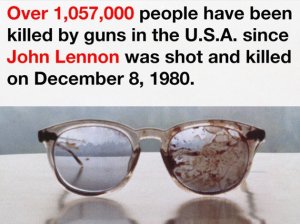 Elton John is probably the most famous spectacle wearer of all time. He even once wore a pair of specs with little windscreen wipers. John Lennon is another famous spectacle wearer. He wore those famous round glasses that you will see if you just type ‘Lennon glasses’ into Google.
 I really do love books and reading. My idea of heaven is lying by a pool in somewhere like Lanzarote with the sun shining and a book in my hand. What is important for a good read is time. It’s alright to read a book on your lunch break or on the bus travelling home after work but to really get into a book, some uninterrupted time is important. So, what is really so good about reading? You, the reader must like reading otherwise you probably wouldn’t be reading this but for me reading is about connecting with worlds I will never see and connecting with my own world too; finding that I’m not as unique or as different as I had thought and that other people have had similar experiences to me.
 The Wooden Horse was written by one of the actual escapees, Eric Williams. He was an RAF pilot shot down over Germany and imprisoned in 1942 and in 1950 the book was made into a classic WWII film.
 Under normal circumstances I might go on to talk further about my favourite books but I have done that already. I think I did my top
 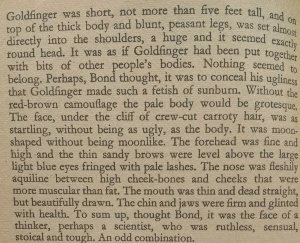 At school in English class our teacher had asked us to bring in a book with a vivid description of someone and my choice was Goldfinger. The book is about a man called Auric Goldfinger, a rich businessman who is suspected of smuggling gold. Bond is tasked to find out more and Fleming gives the reader a particularly compelling description of Goldfinger. Fleming describes him as having a body seemingly put together with parts of other people’s bodies. I always thought that was pretty good. Fleming used to write his first drafts of a book and then add in all sorts of details afterwards like the vodka martinis that James Bond liked so much and the Sea Island cotton shirts that Bond favours in the novels. It was actually Fleming who wore those particular shirts and who drank vodka martinis and also preferred scrambled eggs for breakfast. Many people have speculated who Bond was based on and my feeling has always been that in fact it was Ian Fleming himself.
 My current read is a book I mentioned last week, Charlie Chaplin and his Times by Kenneth S Lynn. Chaplin was a music hall entertainer working for the great impresario Fred Karno. Karno regularly sent teams of entertainers to the USA and while there Chaplin was invited to make a film for Mack Sennett, the famous producer of comedy films. Chaplin’s films proved to be enormously popular and so Chaplin moved on to different studios, all for better and better money until he established his own studio. I’ve always found the early days of Hollywood to be fascinating and this book is no exception.
