 One of the great pleasures of the 21st century digital age has to be unboxing your mobile phone. Even that word, unboxing is new and Microsoft Word wasn’t happy at all about me using it!
Yes, enough of that old mobile that cost me £20 on eBay, time to move into the 21st century with a new smart phone! Well, not a brand new one, a used one, again courtesy of eBay.
I did fancy an iPhone but did I really want to pay over £250 for a mobile phone? What if I lost it? What if I dropped it in the sea on holiday? That’s a big enough deal with my old phone but if my expensive phone was lost or ruined I’d be in shock. Of course, I could get it insured but that would mean more expense.
Anyway, after some research I decided on a Motorola G4, a nice looking phone that brought me into the modern smartphone era with a cash outlay considerably less than that of an iPhone.
The phone duly arrived and excited as I was, I managed to stay calm, relax and have a brew before opening the box. That turned out to be something of a struggle as the box was shipped in a sort of insulated plastic wrap which defied my initial attempts to unwrap it but I persevered and armed with a sharp knife and a pair of scissors, my new phone was eventually revealed.
First thing was to open the back of the phone and insert my SIM card. Now that presented a small problem because no matter how I tried, I couldn’t get the back off that phone. OK I said to myself, calm down. Have another brew and read the instructions again. When I say instructions, what I actually mean is the little slip of paper with a couple of diagrams on it. Technology today just doesn’t come with instructions; you’re lucky if you get a link to some online help site. Anyway after glancing through the instruction slip again, I had another go at removing the back of the phone, once again without success.
I had another bash using a knife and although the phone remained in one piece I was lucky not to cut myself to pieces. Well, next step, the brief instruction slip mentioned a link to a YouTube video showing me how easy it was to get the back off. So, iPad at the ready, I typed in the link and there we had the official Motorola video.
In the video the guy unboxes his phone, turns it over and easily pops the back off. Arghhh! Why couldn’t I do that? I tried a number of other videos and in every one the presenter easily popped off the back. I wasn’t happy! Wait a minute, the back of those phones wasn’t quite the same as mine; did I have the wrong model? No, mine was definitely the G4 and the pictures in my instructions matched the pictures in the video so what was wrong?
Anther hour went by, breakfast came and went. Liz had a go and the back still wouldn’t budge. There was an area round the side that seemed pliable and there I could get my fingernail in and push the back off. Wait a minute! What was this? The phone had a sort of gel surround on! I struggled to get that off but eventually it peeled away and the actual back of the phone was finally revealed. Next, I popped off the back off the phone just like in the video! Happy days.
Right! Next step. The phone was well charged up so it was time to slot in the SIM card. It took quite a while to find the SIM card slot but eventually I discovered it. The thing is, the slot looked too small for a SIM card. What’s all this guff about a micro SIM card? What the heck is a micro SIM card?
It turns out that these days some phones use a micro or even a nano SIM card. OK, time to call up my service provider, in this case Virgin Media, and ask for a micro SIM. Anyway, three days later my micro SIM card appeared in the post and I slotted it successfully into the mobile. A quick chat with Virgin and I was up and running, or so I thought. The new SIM will be ‘live’ in the next hour the nice lady at Virgin told me, or it could even be 24 hours. Funny how they never mentioned 72 hours but yes, 72 hours and several phone calls later to Virgin Media and my new phone and micro SIM were finally up and running.
Since then, a whole new world of digital communications has appeared before me on my new smartphone. I can now sit down in my favourite restaurants and bars and ‘check in’ as they say on Facebook and other social media sites.
On my first day at work with my new phone I slipped it out of my pocket and took a sneaky glance – not to show off of course – just to check everything was OK, and was surprised to find an update from Google to advise me where my car was parked and for how long! OK, I knew where it was and roughly how long it had been there but there it was in black and white on Google. Technology, wow . .
 I don’t know if you remember that old British movie, Green for Danger? I’ve not seen it myself for a while but this week I’ve been thinking about it and even done a search through my old VHS video tapes to find my copy.
 I should start this post by explaining something. My blog posts have a sort of gestation period, usually about three weeks. I think of an idea and type out a few notes or a first draft. Sometimes I put it on my workstation and add to it as the day goes on and quiet moments appear. At home I’ll go over it again adding bits here, changing the language there. Sometimes I write about something topical and of course, by the time the post is published, the incident or event or TV show I’m writing about happened some time ago, so for the reader, it’s hardly topical at all! What is worse is that sometimes I shove something in ahead of schedule, making the post that was due to be posted even more out of date. Bit of a nightmare for readers I know so cast your mind back a few weeks. In the UK it was sunny but cool. Remember the weekend of the Mexican Grand Prix? Right, so here we go . .
 I bumped into one of my friends the other day, someone I hadn’t seen for about a month. After a quick chat he said to me that he was looking forward to reading my next post. ‘Have you written a new one yet?’ he asked.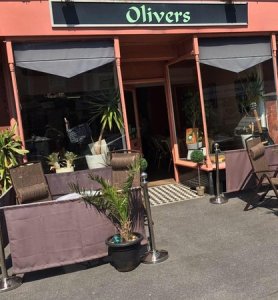
 The other day I was watching one of my favourite movies from my favourite director: Woody Allen’s Radio Days. In case you haven’t seen it, it’s about Woody Allen looking back at his young self and how he lived his life through the radio shows of the day. It pretty much reminded me of myself, and how I was obsessed with TV when I was a child. Personally, I wouldn’t have said obsessed but that’s what my Mum and Dad used to say. They used to tell me I watched that much TV I would grow up with ‘square eyes’.

 What I think I might do in this post is an old writer’s trick. It involves taking some part written posts and trying to string them all together into a brand new post.

 One thing that concerns me in my new semi retirement is my health. I really am not an active person so I am always looking to stay healthy which is one reason why I have dug out my old bike from the depths of the garage. A quick hosing down and a spray on the vital points with WD40 and the bike doesn’t look so bad. I last used it regularly over twenty years ago when I had an early start in Warrington and I used to cycle from Newton Le Willows.
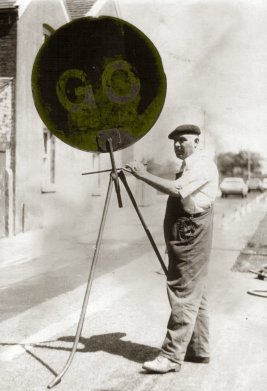 However they were enlisted, they served and did their duty, just like my dad who was proud of his army service. He served in Northern Ireland, Germany and Hong Kong, and told me many stories about his army life. In fact not long ago when I posted a picture of him at work for the council highways department, one of his old work mates replied mentioning the stories he used to tell his workmates about his army sergeant major.

 Letters from an Unknown Author!