 It’s that time again for Liz and me to troll through France in our motorhome, on the look out for swimming lakes, cheese, wine and restaurants. The weather has so far been good but not great so sometimes I’ve been relaxing on my sun lounger, other times I’ve been inside wondering, where the hell is that sun?
As I write this we are about a week into our holiday and the sun has made an appearance. We’ve had three or four really hot days and a few of those spring days where it’s really warm in the sun but move into the shade and yes, it’s freezing. You might be thinking what do we get up to in France? Visit museums? Explore fascinating French towns? Well, we have done all that stuff in the past but these days we tend to relax in the sun, read a lot, sup copious amounts of red wine and visit a lot of restaurants.
In the past we’ve visited the blockhaus in Eperleque, a huge concrete structure where the Nazi V weapons were launched against the UK in WWII. The building was rendered useless by the efforts of the RAF Bomber Command and the heroism of those pilots has guaranteed the freedoms we enjoy in western Europe today. I’ve always been moved by the museums and memorials to those who lost their lives in the war. In one place and I can’t remember where it was, we went to a museum dedicated to the French resistance and an old French chap, noticing that we were English told us how much the freedom fighters were aided by the RAF dropping supplies and ammunitions.
Another thing I look forward to on a long trip is reading. Yeah, I know you might think that’s a bit boring but I do love a really good book and one book that has really inspired me this week is an autobiography by the Bard of Salford, John Cooper Clarke. I should really save all this for a forthcoming book bag blog post but out on the road, drinking fine wines and eating good food, I really need to knock out a blog post whenever I can.

I love the way Clarke tells his story, maybe because he writes a little like me. I’ve always tried to make my posts chatty and colloquial, using the kind of language I might use when talking and John Cooper Clarke does pretty much the same thing in his book. It’s a very observational book and he talks about life in Salford in the 1950s and later in the 60s and 70s and very gradually slips himself into the narrative. It’s not a me, me, me type of autobiography. It’s not I did this and then I did that and then I did something else. It’s a fabulous book and though I’m not that interested in the punk music scene which John was very much a part of, I still love it.
Salford is the twin town to my home town of Manchester and a lot of the places and people in the book resonate with my own memories, even though Clarke is a north Manchester guy and I’m from the south. Many years ago though, I used to frequent a place just on the Salford/Manchester border. If you turn off Deansgate and go up Bridge Street and cross the bridge over the River Irwell, you are going into Salford. The bar there, the Mark Addy, was actually the last place my small family (myself, my brother and my mum and dad) had an afternoon out together. It might have been my dad’s birthday, I’m not sure. The four of us had an afternoon lunch at the pub where they served these really tasty cheese and pâté platters. They came with chunky bread and salad and were really lovely.
Mum had her one bottle of stout and then she wanted something lighter. I ordered her a tea and she was pleased to see it was served in a very elegant way with a little teapot, a small jug of milk and a bowl of sugar.
Some years ago the bar, of which the lower floor was down on the banks of the river, was flooded when the river level rose during a storm. They couldn’t get insurance and the place closed and remains empty till the present day.
Just across the road is a small square where Manchester’s first sports superstar George Best had his fashion boutique. Back in the 1960’s my friends and I travelled into Manchester by bus to hang about Best’s Boutique. We never saw the man in person although what we would have done if we had? Ask for an autograph perhaps? I don’t know but at that time George Best had a kind of local fame that was on a par with a film star. The newspapers even dubbed him the fifth Beatle in the sixties because of his Beatle like haircut and his undeniable charisma.
Best was born in Northern Ireland and came to Manchester to begin his career as a footballer aged only 15. In the 1970s he seemed to fold under the pressure of his own stardom. He began drinking heavily and was eventually sacked by his team, Manchester United. Best died in November 2005 aged 59.
Anyway, getting back to John Cooper Clarke. He decided early on that like Dylan Thomas he was going to be a career poet and to his credit he eventually achieved just that. He was and is very much a performance poet and became famous performing with punk bands in the 70s and 80s. His big problem from reading his book seems to be that he was a habitual drug user, even becoming a heroin addict. In the later pages of this book, it does seem that he is very laissez faire about his addiction and wherever he goes to perform, he always makes arrangements to score his drugs just like you and I might try to source a bottle of milk or a packet of tea bags. On one occasion he finds himself in New York, desperate for heroin. The only dealer available to him is based in some dead-end part of the city and a friend lends him a gun which he is advised to keep in view while he goes up to the seventh floor of a dilapidated building to score. Happily, all went well for him but this kind of thing appears to have been the norm for him, having to do what he has to do to get his drugs. In later life he realises he must break the habit which he eventually does, helped by the love of a good woman who he eventually settles down with.
Much of the text is written in his own rapid fire colloquial idiom and is for me, at any rate, a joy to read. Like me he is a man who loves his pies although Clarke prefers the meat and potato version to the steak variety which I rather like. Like he says though, a steak pie is full of gravy which makes it a little harder to eat on the move.
A memorable moment in the book is when he arrives in Scandinavia for a gig. He is starving but is advised that after the performance there will be a huge buffet laid on. There was, but this being Scandinavia it consisted of a great deal of pickled fish and not the hoped for pies.
Clearly he is a great rock and roll fan and lists various members of the rock and pop fraternity who he has either worked with or bumped into over the years and if you happen to be a fan of punk, Clarke points you in the right direction for either further reading or music listening.
I thought Clarke would have had a back catalogue of poetry volumes but that doesn’t seem to be the case although I did buy one of his few poetry books, Ten Years in an Open Necked Shirt. That might be my next read.
OK, that’s enough reading and writing for tonight. Time for a glass of some vin rouge and perhaps a nibble on some cheese. Yes, don’t mind if I do . . .
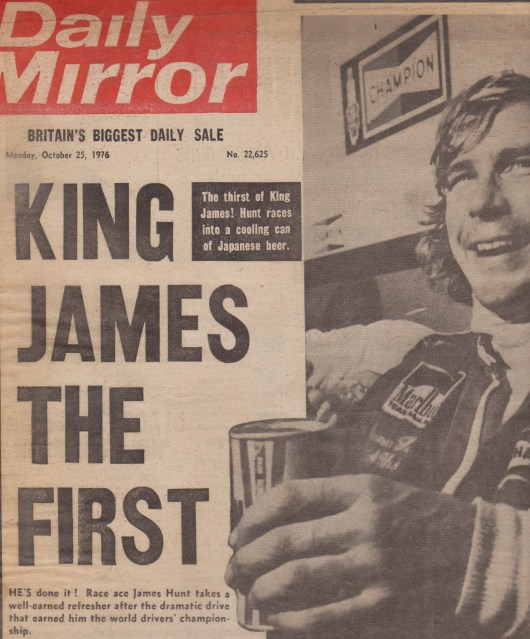
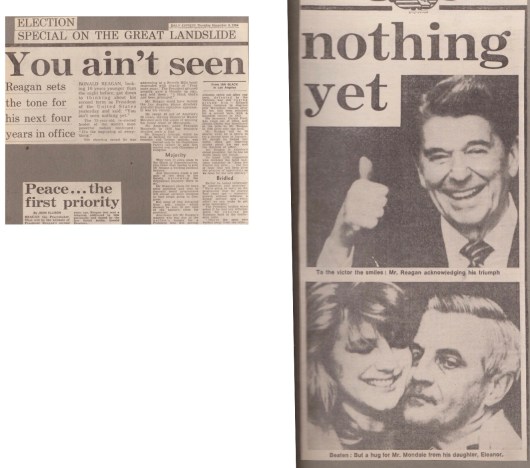
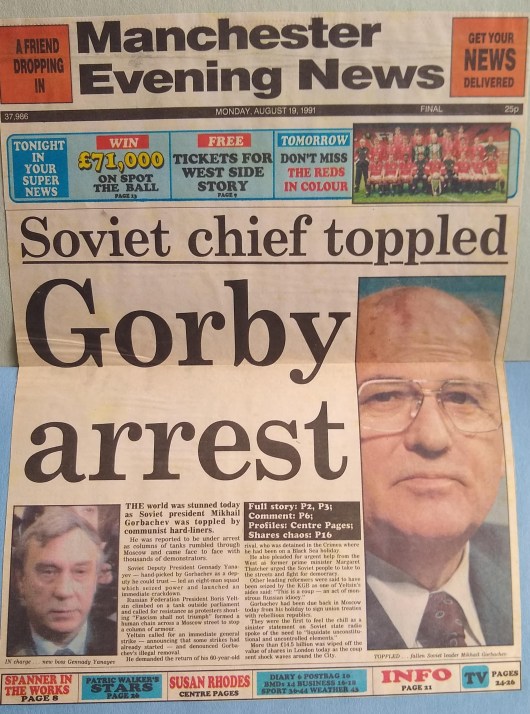
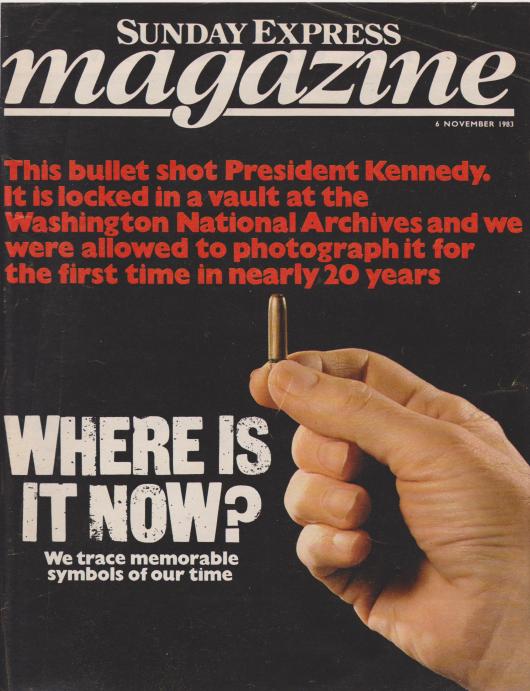
 I’m always on the hunt for new ideas for blog posts so when I was a little stuck today, I thought I’d take a look at my old scrapbooks and see what was in there.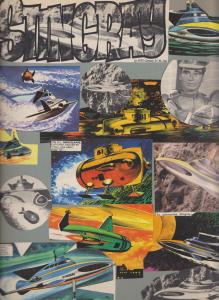



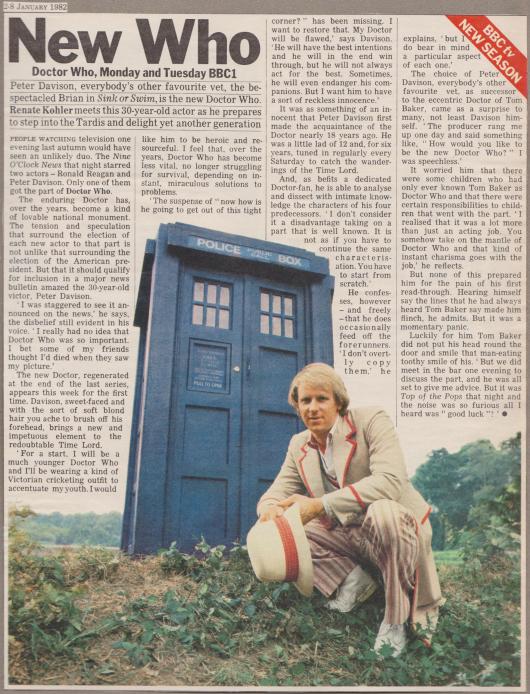


 Liz and I will soon be off to France in our motorhome. It’s had an MOT, it’s been taxed and has had a good wash and clean up and it’s pretty much all ready for the trip. As a writer, I try and get ready for the trip too, I like to get ahead with my weekly posts so I have a few all written and ready to be posted, even if I’m in the middle of the outback of the Loire valley. All I have to do is press the post button and I know that I will have met my deadline, my one deadline of 10:00am on a Saturday morning when my new post goes out.
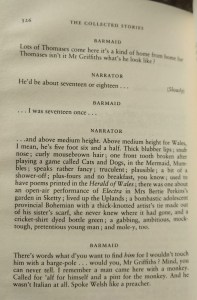 Today I often have a drink in that pub. On the outside it looks just the same as it always did and when I’m there I often think of Mr Farragher. That reminds me of Return Journey, the radio broadcast by Dylan Thomas I spoke about in
  This week’s post is a sequel to the one last week and I’m going to talk some more about the thoughts and ideas that come to me while driving. OK, I’ve left my house in Manchester in good shape, trimmed the privets, cut the grass and tidied up inside. Final check in the fridge, nothing left behind that is liable to go off. OK, pack the car and let’s get off back to St Annes on the Fylde Coast.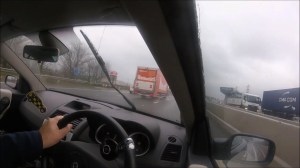



 As I’m looking through some old pictures and graphics I thought I’d add some completely random pictures into this post. Here’s a self portrait I used to use on my Flickr page where I showcase my photography. I’ve always liked this picture, it was shot in a mirror and then reversed.
 I was watching the TV show Countdown the other day and when the contestants took a short break from their word and maths games, Suzie Dent, the mistress of Dictionary Corner went into her usual talk about words. In this particular episode she decided to talk about the word pilot which inspired me to write this entire blog post on the subject.
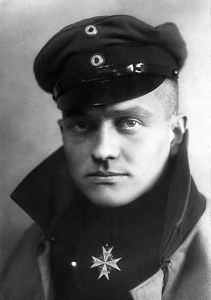 Fighter combat in WWI evolved quickly. At first aircraft were used for reconnaissance but then aircraft from opposing armies took pot shots at each other with rifles and then later, fixed machine guns. British aircraft were ‘pusher’ aircraft with a propellor at the rear to push the plane along. This meant that a machine gun could be placed at the front so the pilot could shoot at whatever was ahead. Aircraft with propellors at the front were better and faster but how could a gun shoot through the propellor blades?
 In 1928 she was asked to join the crew of an aircraft that was to cross the Atlantic. The flying crew were a pilot and mechanic and Amelia was basically a passenger and admitted that was the case. ‘I was just baggage’ she told the press. Even so, she was the first female to cross the Atlantic in an aircraft and she and the crew were treated to a ticker tape parade in Manhattan and a visit to the White House to see President Coolidge. Later, in 1932 she flew solo across the Atlantic arriving in Ireland on May 20th. Amelia made many other trips and also competed in long distance air racing. She became a celebrity in America and in 1937 began a round the world flight. Amelia piloted a Lockheed Electra 10E and the only other crew member was navigator Ted Noonan. The pair departed from Miami on June 1 and after numerous stops in South America, Africa, the Indian subcontinent and Southeast Asia, arrived at Lae, New Guinea, on June 29, 1937. The final 7,000 miles would be over the Pacific. The duo left Lae at 10:00 am on July 2nd and were heading for Howland Island, a small coral island in the Pacific. The US coastguard had sent a cutter there to assist with navigation. As Amelia neared Howland Island the coastguard picked up various messages and it became clear that the Electra was lost and could not see the island. The last transmissions stated that fuel was running low and that they were flying at 1000 feet. The coastguard generated black smoke in the hope that the aircraft could see them but the aircraft never appeared. The coastguard cutter initiated a search an hour after the last message but nothing was found. The next day the US Navy began a search which lasted for three days but no trace of Amelia Earhart was ever found. Some thought the aircraft had ditched in the sea and that the crew had drowned. Various other theories were put forward: The two managed to get to Gardner Island but died there or perhaps they were captured by the Japanese and shot as spies. The mystery has continued to this day.
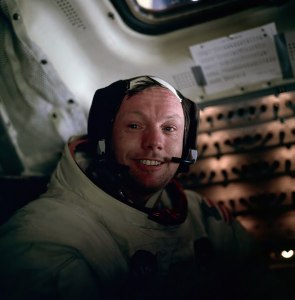 In 1969 Armstrong flew to the moon on Apollo 11 and became the first man to walk on the moon. It was a tricky mission though and during the landing as the Lunar Excursion Vehicle dropped towards the moon’s surface the spacecraft’s computer kept throwing up ‘1201’ and ‘1202’ program alarms. Neither Armstrong nor Aldrin knew what that was but the controllers at mission control knew. The on-board computer which had less memory than a modern mobile phone, could not deal with all the data it was receiving. Armstrong switched over to manual flight, hopped the lunar lander over a rocky area then finally dropped down safely onto the lunar surface with only a scant few seconds of fuel remaining.
 Despite having nothing in the pipeline, I’ve actually done a great deal of writing this week. I always have lots of ideas floating around in my head about all sorts of things and I make mental notes about them but converting those ideas into a novel is a pretty big undertaking. A better idea I thought would be to perhaps make those ideas into short stories. I could even put together a book of short stories and poems and maybe even some selected blog posts.
 Images are important to blog posts as well as social media posts. It’s a statistical fact that social media posts perform better with images and better still with video content. I tried the face app that I found when researching the Manipulating Images post but naturally, being the tightwad that I am, I declined to pay for the version that does the best effects. I tried another app recently, one that creates avatars for use in your social media pages. An avatar is essentially a picture, a stylised image that people use on the web. Sadly I found that once again, this new app required me to pay money which naturally, I wasn’t happy about. However, rather than subscribe to the app it was possible to pay a one time fee of £2.99 for 50 avatars. This required me to upload a shedload of pictures of myself, the minimum required was 15 so the app could give the best results. The results weren’t instant, I had to wait most of the afternoon for them to appear and some were a bit naff, in fact there was even a feminine version of myself but there were a couple that made me look like the real tough hombre that I’m actually not.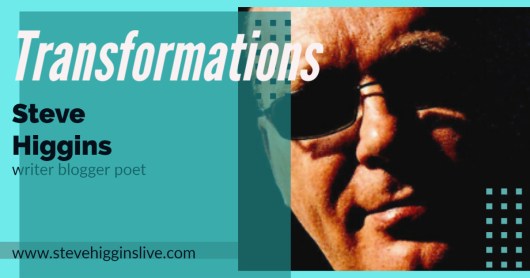
 ge has transformed me too. In the picture over on the right you can see me as I was when I was aged 19 or 20. It was taken in France by my best friend Chris. Now I am older, at least older on the outside. On the inside I’d have to say that I haven’t really changed that much. You might think that now I’m probably much wiser with different ideas and different thoughts. Actually though, I’m pretty much the same on the inside with similar ideas and similar thoughts.
 James Bond has been in the news this week. The books by Ian Fleming are apparently being rewritten as they might be considered offensive to a modern generation of new readers and the producers are still looking for a new actor to play their famous secret agent. OK, time for another James Bond 007 post.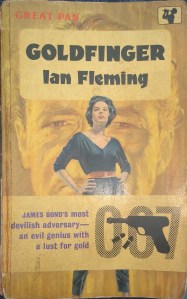


 Looking back at the past is always interesting, at least I’ve always found it so. I love reading about history and I watch lots of TV history documentaries. Shakespeare once said ‘what is past is prologue’ and he was right! One area of the past I’ve been looking into recently was my own and my Christmas present to myself was a DNA test.
 Letters from an Unknown Author!