Holiday Book Bag Video Version

Eagle-eyed readers will have surely spotted the lack of the usual video version to my summer book bag 2018. Alas, I filmed three versions, all of which suffered from hesitation, repetition and deviation, so much so that not only would I not have lasted long on the radio show ‘Just a Minute’ but any addition to YouTube would be sorely lacking, particularly in the area of presentation.

However, due to the miracle of technology, particularly in the field of editing, a fairly reasonable video version has been made available for my long-suffering YouTube audience and I feel it only fair that they should not suffer alone and that my WordPress followers should also be invited to watch.

If any viewer is unduly affected by this video, a free counselling service is available. Please contact your local healthcare provider immediately should any adverse symptoms occur.

Holiday Book Bag Summer 2018

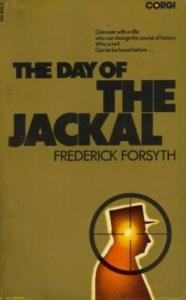
Well in advance of this year’s summer holiday I took an intensive inventory of my books, separated those I had not yet read as well as separating the hardbacks from the softcovers and sorted out my holiday book bag for this summer. I particularly favoured hardbacks because during the year I don’t tend to read those, after all, it’s so much easier to pop a paperback book in your pocket to read at work rather than lug a heavy hardback book about. On reflection that was really rather forward thinking of me. Where the heck I put those books though I do not know, so instead I grabbed a few nearby paperbacks at the last minute and that is what I took to France to read. All were sourced from second hand book shops or charity shops.

What did you take to read on holiday this year?

The Kenneth Williams Diaries edited by Russell Davies.

I’ve always rather liked Kenneth Williams, the slightly over the top star of many a Carry On film as well as numerous radio comedy shows. However, it did feel rather odd reading his private thoughts through his diary. This is not an autobiography where the author tells us the story of his life and keeps things in some sort of order, it’s a diary, a record of the author’s day to day thoughts and sometimes it’s hard to keep track of what is happening. In a lot of the diary entries Kenneth refers to people by their initials rather than their name. The habit of using initials can be rather annoying as the editor will mention in one of the many footnotes that SB for instance refers to his friend and fellow performer Stanley Baxter. Later on SB will turn up again and I find myself flipping back through the footnotes because I have forgotton who SB was.

In the diaries, Williams talks about his private life mostly in a sort of code. He does talk about his many trips to Morocco where he went in search of young men, something he was willing to indulge in in the secret world of gay men abroad.  A lot of this activity gave him little pleasure and it seems to me he was unhappy with his sexuality and perhaps he envied his friend the playwright Joe Orton, who accepted himself in a way Williams never could.

The diaries are actually pretty famous because they reveal Kenneth Williams as being so very different to the persona he revealed to the world. All of Williams’ moods are revealed in the book, his anger, his sadness and his disapointments as well as his happier times. It’s interesting to read about world events in the entries, for instance the Moon landing in 1969 causes Williams to moan about the TV being all about the moon! I was 13 at the time, very interested in the Apollo programme and couldn’t get enough of moon landing TV.

The three day week is mentioned in 1973 along with various entries about power cuts and industrial action, a time I remember well, sitting in my Mum’s kitchen lit by a candle and my dad trying in vain to read the newspaper.

I did expect to read a lot about Barbara Windsor, his great friend from the Carry On films but there is little about her although actress Maggie Smith is talked about constantly, his admiration for her very evident.

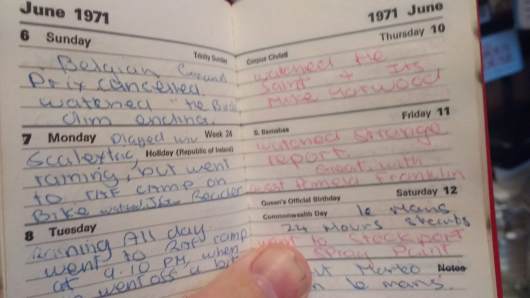
I did wonder whether Kenneth Williams wrote the diaries expecting them to be published when he died but that same issue he dealt with in a 1972 entry where he claims that the writing of a diary is only something to jog the memory. He goes on to say; ‘One puts down what one wants, not what others want. That is what is so delightful about a diary, it is what the self wants to say.’

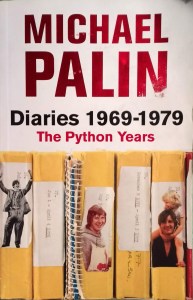
The strange thing is that the diary reminds me a lot of my diary which I write in these days only infrequently. I started it as something just to get me writing and I still write in it on those occasions when ideas for a story or a blog fail to materialise. A diary can just be a record of your daily life but it also is a confidante, something you can turn to when something has annoyed or upset you or just when your thoughts are so overwhelming you have to get them out onto paper or your computer screen. I ended up feeling an affinity for Williams, a similarity whereas before reading this book I thought we had nothing in common at all.

Kenneth Williams seemed to have many sad moments where he wished he had a confidante, perhaps that is another reason he wrote in his diary. Many entries detail his dissatisfaction with his life and his sadness. ‘What’s the point?’ is how he ends many entries, including his very last one on the 14th April, 1988.

I did not know about Williams’ theatre career, or even that he had one and it was interesting to read about what an actor and performer’s life is like; it seems to be mostly waiting for things to turn up, waiting for one’s agent to ring or for calls from film or TV producers. When the phone does not ring it can be a worrying time, as it seemed to be for Kenneth Williams, thinking about his tax bill or other bills that need paying.

A fascinating read and not quite what I expected.

Blessing in Disguise by Alec Guinness.
This is an autobiography by the actor Alec Guinness, well, I bought it thinking it was that but actually it is a collection of random thoughts and episodes in the actor’s life that don’t always go together. The beginning of the book is about Guinness’ younger days but then he leaps forward through his life describing other times and incidents and it all leaves the reader wondering what happened after that or what did he do before this? It is all very well written but there are endless dull chapters focussing very acutely on some unheard of person in the theatre and then some very few lines about people I actually wanted to hear about. He mentions having dinner with Sophia Loren who then disappears from the page. Richard Burton and other film notables are mentioned all too briefly. Guinness’ wife also makes various oblique entries into the book but who she really is, how Alec met her and how they married is never revealed. Star Wars is mentioned towards the end of the book but if you are interested in any filming anecdotes or behind the scenes stories, well, none are to be found here.

Well written but ultimately disapointing.

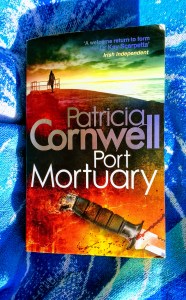
Port Mortuary by Patricia Cornwell.

Port Mortuary features Patricia Cornwell’s forensic heroine Kay Scarpetta who first appeared in the book Postmortem published in 1990. I remember reading a newspaper article about Cornwell and her books in the mid 1990’s, they seemed pretty interesting so I bought the first one, Postmortem and began to read. Kay Scarpetta is the Chief Medical Examiner of Virginia and uses modern forensic sciences and technologies to solve murders. Working with her is police homicide detective Pete Marino and together they embark on solving a series of murders. The series of books are well written if a little gruesome and are said to have influenced a host of similar books and TV series such as CSI where forensic technolgy and science are used to solve crimes. Scarpetta has an Italian background and in the earlier books cooks a lot of Italian dishes. (There is even a companion cook book; ‘Secrets from Scarpetta’s Kitchen’.)

Later on in the series, things get a little weird. Benton Wesley, an FBI profiler is murdered but reappears in a later book alive, having been in a FBI witness protection programme. Scarpetta’s niece becomes a computer expert at the FBI, leaves to start her own internet company, becomes a multi millionaire, buys a helicopter and morphs into a sort of James Bond sci-fi hi-tech lesbian character. That was when I stopped reading the books.

Anyway, fast forward to the present day and I find Port Mortuary at a charity shop and think OK, let’s see whats happening to Scarpetta these days. Sometime after I stopped reading the books, Cornwell decided to write in the third person rather the first and Port Mortuary is the book where she decides to revert back to the first person way of story telling. A lot has changed since I last read the books. Pete Marino no longer works for the police and joins Scarpetta at the National Forensic Academy, an institution founded by her millionaire niece, Lucy. Scarpetta is also a Colonel in some kind of military forensic set up and while she is on duty, Pete and Lucy fly in to tell her about a murder that has occurred that threatens the whole National Forensic Academy. They fly back in Lucy’s helicopter and the narrative goes through all the pre flight checks and helicopter terminology which was interesting but not neccessarily important. Then again, every other page seems to mention technology and brand names like Scarpetta’s iPad and iPhone. It’s almost as if Apple were on a sort of product placement mission.

I clicked onto goodreads to check out what sort of reviews were being left there and many people were saying things like ‘not as good as the older books’ and some complained about all the superfluous detail that wasn’t required. Personally, I like all that extra detail. Maybe Cornwell went a little overboard with her gadgetry and helicopter stuff but isn’t that the mark of a good writer? That little extra descriptive detail that adds to the background and the imagery?

Anyway, the book is a hi-tech murder mystery, well written and enjoyable although I got a little lost with the plot towards the end. Also there were perhaps a little bit too much of Kay Scarpetta’s internal monologues. A great sun lounger read but I still feel the first ten or eleven books in the series are better than the later ones.

(Chaos is the latest book in the series, published in 2016)

A Kentish Lad by Frank Muir.

One thing I really love about second hand books are inscriptions. On my copy of Frank Muir’s book this is written on the title page: ‘To Derek, lots of love, Ruth. Christmas, 1998.’  Who was Derek I wonder, who was Ruth? Why was Derek’s Christmas gift loitering on the shelves of a St Annes charity shop? I’ll never know but to me it makes the book all that more interesting.

A while back I wrote a post about the Essential Englishman which was a few remarks about film actors who have portrayed a certain type of Englishman, debonair, urbane and eloquent and the actors I chose were David Niven, Robert Donat, Rex Harrison and so on. Had I extended my terms of reference to include TV personalities I would have had to have included Frank Muir, the eloquent bow-tied and nattily turned out star of TV shows like Call my Bluff.

This enjoyable and amusing autobiography charts Frank’s days as a schoolboy in Broadstairs in the south of England to his life as a TV executive and TV personality in the 1970s and eighties. It is written in an amusing and self deprecating way, always seeing the funny side of life and a very jolly read it is too. I particularly enjoyed the first part of the book when Muir talked about his war years at the parachute training school at Ringway, now Manchester Airport and then his first forays into the world of show business and his script writing partnership with Denis Norden. A highlight was his first trip to France in the late 1940s revealing a different sort of trip to the one I have currently undertaken in 2018. Later, Muir paints a fascinating portrait of the radio days of the 1950s when the UK was tuned to the radio for their favourite musical and comedy shows.

The book’s latter half is perhaps not quite as enjoyable as the first but on the whole a pleasant, interesting and enjoyable read.

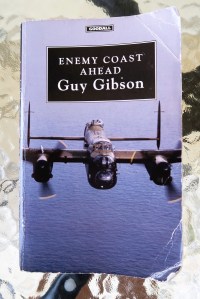
Enemy Coast Ahead by Guy Gibson.

Guy Gibson? Sound familiar? Well if you have ever seen the classic movie the Dambusters you will know that Wing Commander Guy Gibson was the leader of the force that attacked the dams of the Third Reich during the Second World War and scored a decisive victory for the Allies, destroying the manufacturing capability of the Ruhr Valley for a considerable time. This book is Gibson’s own account of his time in Bomber Command and his is a fascinating story. To start with he talks about the so called phoney war and how people thought it might be over very quickly and how the RAF was hopelessly unprepared for war. He tells of air raids in 1939 where crews became lost, when crews were told strictly not to drop bombs on civilian homes and so bombs were returned back to base in dangerous conditions, unreleased on enemy targets. As time went on, the crews became more familiar with what they had to do, they got used to navigating and night time flying and Gibson here shows a different world to that portrayed in films like the Dambusters.

The aircrews were all young men who worked hard at what they did and worked hard also at drinking, partying and chasing girls, pretty much like young men today, although for these men, they partied like there was no tomorrow because in some cases, there wasn’t.

In the foreward to the book, Gibson dedicates this volume to all those aircrews lost in action in the various squadrons he was attached to and the list makes grim reading, almost all the names he lists are noted as missing in action, presumed killed. The odd one here and there is noted as POW, prisoner of war.

A fascinating book, written by a brave man telling a story you may have heard before from a completely different angle. A classic book of Second World War literature.


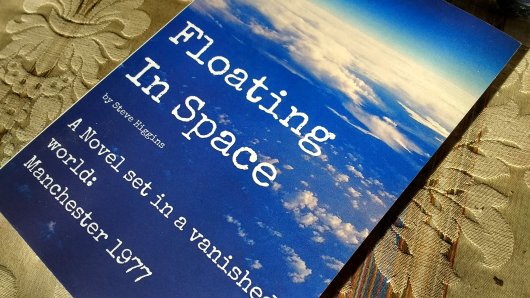
One last book, Floating in Space, a novel set in Manchester, 1977. Click the links at the top of the page to buy or for more information.

8 Great Books from my Formula One Collection

Ayrton Senna
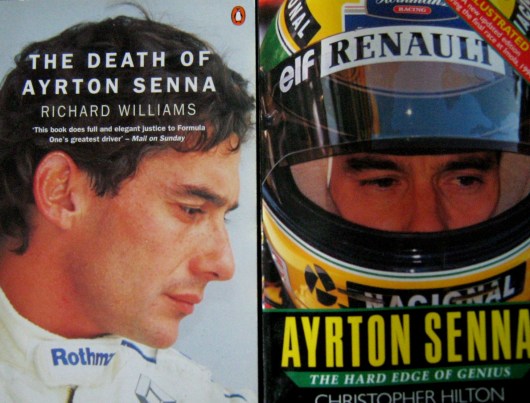
Ayrton Senna is one of the all-time greats of formula one. He is an absolute legend of the sport and I have about 4 or so books about him. The biography by Christopher Hilton, Ayrton Senna, the Hard Edge of Genius, is a pretty good one. A long time ago I ran a shop in Manchester called Armchair Motorsports and although I didn’t make much money, I did do a hell of a lot of talking about F1. I had a number of serious motorsport memorabilia collectors as customers and if they were not on the phone asking me to find a copy of this or that book, they were in the shop gassing about motorsport. One customer wanted a book about Senna and I managed to get him a copy of Hilton’s book. He told me that the most remarkable thing about the book was the list at the back, itemising Ayrton’s race records. The list went like this – 1st, 1st, 1st, DNF, 1st, 1st 1st, DNF. All the way through his career until his formula one days. DNF means did not finish. Senna either won his races or failed to finish which meant either his car failed him, or he crashed. Most of the time he crashed and that gives us an indication of his way of thinking, which must have been win at all costs. It also explains why he was not the most popular of drivers.
I remember visiting Silverstone in the late 1980’s and Senna was profusely booed every time he passed our location. Of course, times change, and now Ayrton is venerated as one of the legends of the sport.
Richard William’s book, The Death of Ayrton Senna, narrates the dreadful events of formula one’s black weekend at Imola, back in 1994. Brazil itself was crushed by Senna’s death and I honestly feel that the reaction of Brazil to the tragedy was even greater than the UK’s reaction to the death of Princess Diana. A fascinating but ultimately sad book.

senna32700905692_o

Murray Walker
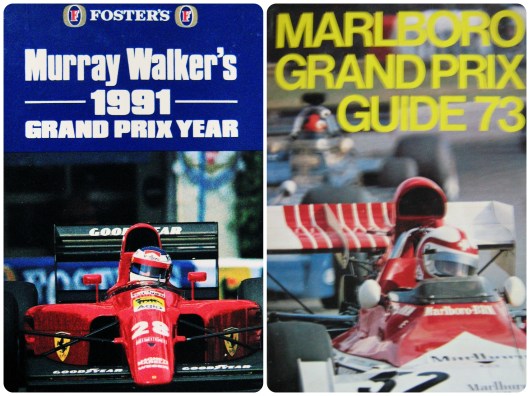
Murray is one of the great characters of F1 racing. Somebody once said of Murray that in his quieter moments ‘he sounds a little like a man with his trousers on fire!’ That certainly sums up his passionate and energetic commentary style. Formula one will never be quite the same without him. Murray has published a number of books about the sport including his autobiography and many titles like the one pictured here.

Marlboro Grand Prix Guide 1973
This is one of the oldest books in my F1 collection. In years gone by Marlboro, the cigarette manufacturers, contributed a lot to motor sport. They sponsored many teams and drivers including the McLaren team, and produced many books and annuals like this one. In the 1970’s they sponsored the Prix Rouge et Blanc, a prize given to the driver voted man of the race by attending journalists. Nowadays we are mostly free of the noxious fumes of cigarette smoke but the cigarette companies did make a substantial contribution to sport in days gone by. On the cover of the guide is Clay Reggazoni driving the Marlboro backed BRM and close behind is Emerson Fittipaldi in his black and gold John Player Special aka Lotus 72. Those were the days . .

picmonkey-collage

Niki Lauda
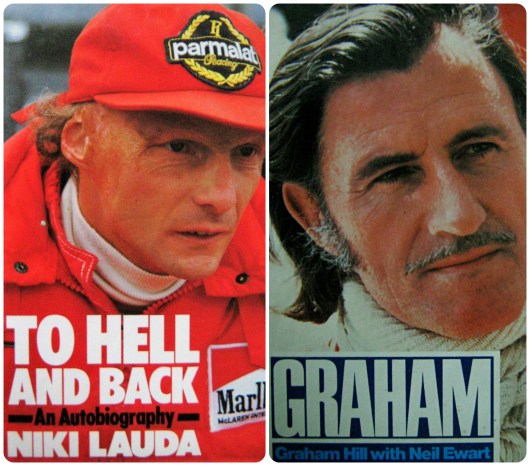
If someone had said to me at the end of 1973 when Jackie Stewart had just retired that Niki Lauda would be the next great champion of formula one, I would have laughed in his face. In my eyes it was obvious who the next great driver was. It was Ronnie Peterson. Had I tested those theories with a substantial cash wager I would have found myself out of pocket because Lauda won two world championships, retired, then made a comeback and won a third championship. The story of Lauda’s dreadful crash at the Nurburgring has been told many times, it’s even been made into the movie ‘Rush’ directed by Ron Howard. To Hell and Back is Niki’s story in his own words and a great story it is too. On his return to F1 at Monza after his terrible crash, Lauda drove out onto the track and was so scared he began to shake uncontrollably. Nevertheless, he carried on, overcame his fears and became a motorsport legend.

Graham Hill
Another of the legends of formula one, Graham Hill, must be one of the great characters of the sport A double world champion and father of future champion Damon Hill, Hill was killed in a light aircraft crash in 1975. He was the only driver ever to win the triple crown of motorsport –the Le Mans 24 hours, the Indianapolis 500 and the Monaco Grand Prix. The book below, written in his own tongue in cheek style is a great read. In the days when I ran my motorsport memorabilia shop as mentioned above, I came across a signed copy of Graham’s previous book ‘Life at the Limit.‘ I was sorely tempted to keep it for myself but I thought no, think about the business, be professional. I sold it to a collector for a fair old sum but every time I read something about Graham I think -what a fool, why didn’t I keep that book!

picmonkeyed-collage

Gilles Villeneuve
In some ways I’ve never really gone along with the hero-worship of Gilles Villeneuve. Then again, some people cannot understand why I think Ronnie Peterson is one of the F1 greats. Each man to his own, I suppose.
Villeneuve was killed in qualifying for the Belgian Grand Prix in 1982. The facts of Villeneuve’s accident are well known -he crashed into a slow-moving car- but his death is perhaps only really explained under close analysis. Villeneuve was on a slowing down lap, on his way back to the pits after a handful of fast qualifying laps but still, he kept the hammer down, his right foot pressed down to the floor when there was no real need for absolute speed. So why? Why was he going so fast?
One answer is simply that was the way he drove; fast. Foot down to the floor. Full stop. Another is that he was still estranged from team-mate Didier Pironi, who he thought had unfairly beaten him in the previous Grand Prix at San Marino in Italy. The two had diced together for the length of the race, team leader Villeneuve thought they were putting on a show, Pironi thought they were racing. When Pironi took the chequered flag it was an act of betrayal, or so Villeneuve thought and when they arrived at Zolder for what would be Villeneuve’s last Grand Prix, Villeneuve was still seething. And so perhaps that state of passion was a factor on his last lap.  Author Gerald Donaldson has produced a great motor sporting read and this is a book well worth looking out for.

Nigel Mansell
I’ve got the oldest book in my collection here so I may as well finish with the newest addition. Staying On Track is an autobiography by Nigel Mansell, who along with Prost and Senna was one of the three top drivers of the 1980’s. The Tifosi, the Italian Ferrari fans, named Nigel Il Leone (the Lion) when he signed up for the Scuderia In 1988, the last driver ever to be personally signed by the Commendatore himself, Enzo Ferrari. Nigel’s nickname was well-earned. He took no messing from anyone, Ayrton Senna in particular, and once famously went wheel to wheel with Ayrton down the long straight at the Spanish Grand Prix in 1991 and it was Mansell who came out the victor. I bought this book, which I must admit I haven’t yet read, on E-bay. It’s a signed edition and I look forward to reading it.

manpicmonkey-collage

Hope you enjoyed this post. If you want to read more why not try my book Floating in Space? It’s not a motor-sporting book but a novel set in Manchester, 1977. Click the links at the top of the page to buy or for more information.

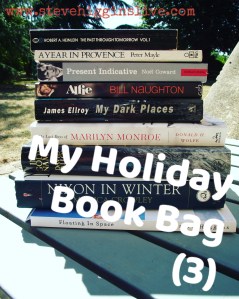
My Holiday Book bag (3)

obook bagI’m just not into busy, rushed holidays. I prefer the quiet, relaxing type; the ones that involve sunny days, swimming pools and plenty of leisure time to read books. I read at home too but that is a different sort of reading; a few minutes here, a few minutes there. I’ll read on my lunch break at work in between eating my sandwiches and drinking tea but the best way to read, the way to really get into a book is a long uninterrupted read while you lie on your sun lounger with the pool handy nearby for when it gets a little too hot. A quick dip then you are back to the thoughts of your chosen author.
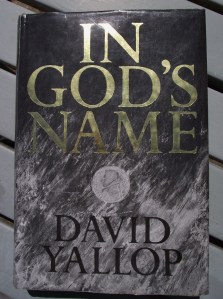
Here’s my holiday book bag for this year. Paperbacks are usually my preferred choice for holidays but as we’re travelling to France by car, there’s a little extra room for a few hardbacks.

In God’s Name by David Yallop.

DSCF1024I bought this book originally on the 3rd March, 1987.  I know that for a fact because back then I used to write the date on all my book and record purchases. I have read it a number of times and it is a fascinating read. It ticks all my personal boxes of history and modern mysteries. Why, you might ask would anyone want to murder the Pope? Good question and the answer, according to the author is the Vatican Bank. The Vatican, thanks to Mussolini, is a separate independent state and so the Vatican bank, registered in the Vatican state is not answerable to the banking laws and inspectors of Italy. This idea appealed to various unscrupulous individuals, notably Licio Gelli – the head of an illegal and secret masonic organisation known as P2, Roberto Calvi – a banker with ties to P2 and the Mafia, and Michele Sindona, another criminal. Together they engineered the movement of various shares and monies, using the Vatican bank. A man called Albino Luciano, the bishop of Venice, became aware gradually of various wrongdoings in the bank and was particularly dismayed by the action, or inaction of Bishop Paul Marchinkus, the head of the Vatican Bank. In 1978, after the death of Pope Paul VI, Luciano was elected Pope. He was a man dedicated to the ideas of Jesus, a simple carpenter from Nazareth and he wanted the church to follow his example. He did not want a church that had a multi million dollar profit in stocks and shares, he wanted a poor church, a church that properly reflected the feelings of its founder. When he was elected the new Pope, Luciano’s ideas and those of the aforementioned individuals were on a collision course. David Yallop’s investigation is intensive and revealing and I came away from the book feeling an intense sadness that a good and decent man, a man who would have been a great Pope and spiritual leader had been stolen from us by the greed of a few men.

Alfie by Bill Naughton.

I do like to buy books with a film tie in cover. I have all the Bond books, some in paperback, some in hardback and I am always on the look out for the film cover versions. This book has the movie cover that links not to the classic Michael Caine version, but the poor, the very, very poor, Jude Law version. I suppose in some ways you can sympathise with the movie moguls. Alfie was a great hit in the 60’s. Hey, they must have thought, we can transfer the location from Swinging 60’s London to cosmopolitan New York in the 21st century, the result will be dynamite! Wrong! The result was dreadful. Anyway, the novel is brilliant. Written in the first person the writer, just like Alfie in the movie, talks directly to you, the reader and tells you about his life, in his own words, his own accent, and with his own logic. Just about the best free thinking, verbatim (so it seems) book I have ever read. The great thing is when the dialogue tells you one thing, and his inner voice tells you another! Brilliant.

a-year-in-provence_28624048773_oA Year in Provence by Peter Mayle.

They made this book into a TV series years ago. It starred the late John Thaw and the reviewers panned it mercilessly. TV seems to do working class pretty well, what with its soaps and dramas and made for TV films but middle class, that is for some reason a different story. Middle class is a big no no for TV. Strange but true. The producers might have been better making a movie out of this book. I can see a movie version in the tradition of say, Four Weddings and a Funeral or Notting Hill looking good. Anyway, enough about the TV version because the book itself is just a minor classic. I’ve read it before and it is just a joy to read. No deaths or murders or violence. No bad language just a middle class couple who decide to pack everything in and go and live in Provence, that lovely department in the South of France. It’s about wine and food. About gardens and kitchen refurbs. Truffle hunting and vine planting. Swimming pools and life in the country; the French country. If you see a copy in your local book shop, snap it up! It’s well worth a read: A gentle, relaxing, summer read.

Nixon In Winter by Monica Crowley.

Richard Nixon is not perhaps the most enigmatic of presidents but he and his presidency are very, very interesting. He could have very easily become president in 1960 but he was narrowly beaten by John F Kennedy. I can’t think of anyone else, beaten in an election who managed to come back again as his party’s presidential candidate. Probably the closest is Hilary Clinton, beaten by Obama in the Democratic primarys eight years ago and has now risen again to finally become the new 2016 Democratic candidate. Nixon won the election in 1968 with a promise to end the Vietnam war with honour and to bring people together. He did just that, he ended the war and brought people together, all though not in the way he wanted. He brought them together in a determination to remove him from office and as the Watergate scandal escalated, he finally resigned. Strange how Nixon is suddenly much in the forefront of popular media. Oliver Stone made a film about him – Nixon, starring Anthony Hopkins. There was a recent film about the Nixon/Frost interviews starring Frank Langella and Michael Sheen, which was a fabulous movie and I hear there is a new film being released this year about the meeting between Nixon and Elvis, when Elvis, a collector of law enforcement badges, wanted to be sworn in as a Bureau of Narcotics agent. This book is written by Monica Crowley who became his research assistant in his later years and is based on her daily diary of conversations with the former president. Nixon died in 1994.

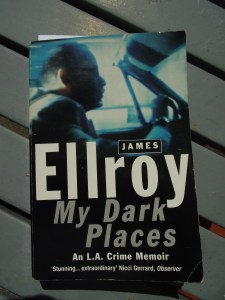
James ElroyMy Dark Places by James Elroy.

This was my first read on this holiday and I wondered at the time if any of my other books could live up to this one. Elroy as you may know is a writer of crime novels. If you haven’t read his books you may have seen the movie adaptations like LA Confidential. Elroy is a modern crime noir writer, following in the footsteps of Chandler and Dashiel Hammet. This book is a diversion for him. Part autobiography, part investigation into his mother’s murder in 1958. In the book Elroy bares his soul to the reader and explores all his inner most feelings; his early life, his thoughts; in effect, all his dark places. An incredible read. A fast moving, inward looking memoir and a man looking for answers to his life. I’ve already been searching abebooks for copies of his other works.

Present Indicative by Noel Coward.

Recently I picked up a few of Coward’s plays in paperback form and was totally taken aback by the witty repartee, the humour and the freshness of Coward’s work. You might think as a devotee of ‘Kitchen Sink Drama’ Coward’s work might be anathema to  me. Nothing could be further from the truth. In art as in literature, there is room for all genres and all tastes. On my last holiday in Lanzarote I read The Life of Noel Coward by his partner, Cole Lesley and it just made me want to read more of Coward’s own work. I look forward to reading about Noel’s early life in his own words.

The Last Days of Marilyn Monroe by Donald Wolfe.

I’ve been reading this book for the last few days and like the really good read that it is, the author has sucked me in to Los Angeles and its environs in the post war years and those people who made a beeline for Hollywood, thinking that they could be discovered and take a short cut to fame and fortune. Norma Jeane Mortensen was a dreamer, a girl who dreamed of being a star and for her it came true when she became Marilyn Monroe. From a factory girl to model, and model to movie stardom and then to an untimely end. This is her story. I’ve read one of Wolfe’s other books on Marilyn, The Assassination of Marilyn Monroe, and so far this is just as good if not better. Monroe, Hollywood, the Kennedys and murder is a very heady mix indeed. If you want a very brief rundown of Marilyn’s last hours, take a look at this post from last year.

The Past Through Tomorrow by Robert Heinlein.

When I was younger I used to read a lot of sci-fi although these days I prefer the genre in TV or movie format. Heinlein is a classic writer and I picked up this volume in a second-hand book shop. I made a pretty late snap decision to throw this into my book bag and I’m not sure how things will turn out, if I’ll enjoy it or not. But, if the book is not my cup of tea I’ve always got the pool open nearby ready for some serious swimming.

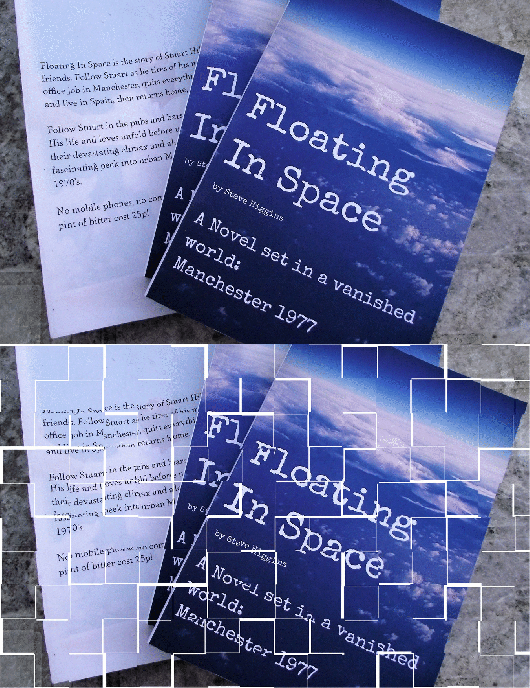
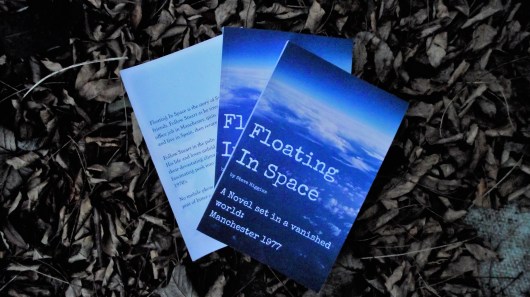
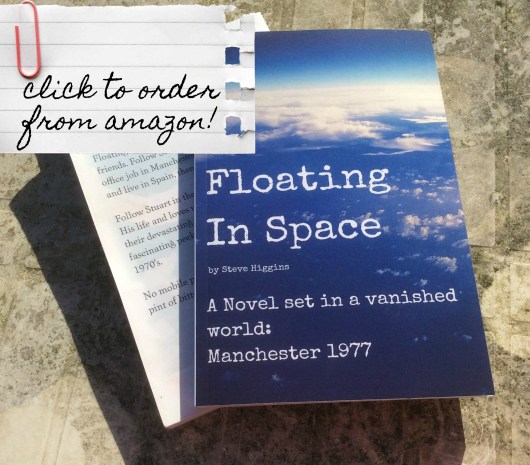
Floating In Space by Steve Higgins.

Of course, this is my very own book: A kitchen sink drama set in the late seventies. My top proofreader Liz Morrison scanned through this a while ago and pointed out numerous grammar issues. On this holiday I’m hoping to rectify them. Also, I’ve never been really satisfied with the cover. I always envisaged a young man seen from behind, floating before the earth and I did my best with the createspace templates that were at hand. When I finally sort out those grammatical errors I’ve got a new cover in mind. In the meantime if you fancy reading Floating In Space, click here for my Amazon page or click the links at the top of this page for more information.


My Holiday Book Bag (2)

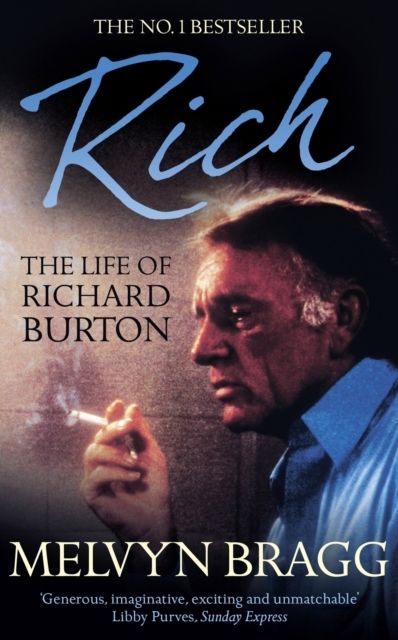
A long time ago I was reading a biography about Richard Burton, in fact it I think it was ‘Rich,’ the biography by Melvyn Bragg. Bragg used Burton’s own diaries in his work and wrote, amongst other things, about Burton’s love of books and when Burton went on holiday he looked forward with delight to the contents of his ‘book bag.’ I know it’s a pretty tenuous link but one thing I have in common with Richard Burton is a love of books and when I go on holiday, one of the delights of lying under a warm sun on my sun bed is a good undisturbed read. OK, I read a lot at home and on my lunch breaks at work but it’s a few minutes here and a few minutes there and whenever I get interrupted it kind of breaks the flow. Some books, as we all know, are just made for a really long, uninterrupted read.

DSCF0004edOK, That was the intro copied from my earlier post Holiday Book Bag part 1. You might be thinking what is this about? A Holiday book bag in January? Yes, well here’s the thing, I’ve saved up my holidays for a winter escape from the UK and believe me, there is nothing more satisfying that calling up friends in the UK from sunny Lanzarote, where we are staying for six (yes six) weeks and asking ‘What’s the weather like back in the UK?’ Especially when they answer, as you knew they would, ‘It’s freezing cold and lashing it down!’
Anyway, I’m sure it’ll still be cold in February when we return so let’s move quickly on to the book bag. There is nothing more exciting for an avid reader like me, and the aforementioned Richard Burton, to plan what to pop into a book bag. Going to Lanzarote there are some restraints of course. One, we are flying so we only have limited luggage space so straight away I eliminated my hard back books which is something of a pity as I have some cracking hardbacks ready to be read. Anyway, I’ve stuck with paperbacks, some I have purchased recently and some have come my way as Christmas presents. Here is my final list.

Charlie Chaplin by Peter Ackroyd.

Peter wrote an excellent book about one of my writing heroes, Charles Dickens and I felt that this book was going to be in the same sort of mould. Long, intense and full of detail. Actually it’s a pretty slim volume and not the intense scrutiny of Chaplin that I was expecting. However, on the credit side, it’s a thoughtful and detailed look at Chaplin, his movies and his personal life and a cracking read it is too. One hundred years ago Chaplin was the most famous man in the world. I’m not sure who would qualify for that title today as despite global communications and the Internet age, the world is separated by many different languages and cultures. A hundred years ago there was no language barrier for Chaplin, and his silent films with their universal language of comedy, went all the way round the globe and he was as famous in countries such as Russia or Africa as he was in Europe or the USA.

Albert Speer: His Battle With Truth by Gitta Sereny.

This is a classic of World War 2 literature and concerns Albert Speer who was Hitler’s architect and then rose quickly in the ranks of the Nazi hierarchy to become Armaments Minister. He was spared the fate of hanging at the Nuremberg trials after admitting that the Nazi leadership, himself included, should take responsibility for the crimes of the Third Reich. What is interesting about the Nazi years is the way Hitler himself seemed to entrance people by the power of his personality. Much has been written about his speeches to the Nazi faithful and the many Nazi rallies of the 20’s and 30’s and yet, looking back at archive film, he looks to be almost something of a madman. However, those who attended the rallies speak of his almost magnetic power as an orator. Speer himself was surprised at first seeing Hitler speak because the speech he heard that day was about unifying Germany, bringing back employment and pride to the German worker, not about death to the Jews. It struck a chord with Speer and he began to follow him. It was the same with many people and as is pointed out in this book, had Hitler died in 1937, he would perhaps have gone down in history as a great German, not the mass murderer he turned out to be. There is an embarrassment among Germans of Speers’ generation; a feeling of how could Hitler have lied to them, how could he have done those terrible things? Something repeated many times is the feeling ‘if only the Führer knew! The fact is, Hitler did know but did Speer know too? An answer, of sorts, is the conclusion to the book.

One of the great aspects of this book is that the author’s journey into Speer’s life is a personal journey and one she shares with the reader. In the final pages we hear about how the author returns home after a weekend away and sees her telephone answering machine winking with various messages. The first one is a message from Speer himself, saying he was in London for a BBC interview and wondered if Gitta and her husband wanted to meet up. The next message is one from a television news company asking her to comment on the death of Speer!

Bleak House by Charles Dickens.

David Copperfield is my favourite Dickens book and one of my favourite books ever but I’ve had difficulty getting into Dickens’ other books. I gave up on the Pickwick Papers, although I liked Oliver Twist and Great Expectations but that’s about it. Hope this will be a good read especially as it’s the only novel I have brought.

The Life of Noel Coward by Cole Lesley.

I do love biographies and this memoir of Noel Coward’s life looks good. One of the reviewers quoted on the back cover says reading this is like ‘a holiday in a rented Rolls!’ One aspect of the earlier part of the book -I’m only partway through as I write this- is Coward’s visits to Manchester where he stayed at the Midland hotel when he was in his late teens. Even then he was a self assured young man about town and on the verge of fame. He charmed many of the rich and famous of the time and was always in demand as a country manor guest for weekends at home or abroad. Noel was a man who liked to travel, especially after a long spell of hard work, and he liked, at times, to travel alone. Indeed, the author quotes from a poem by Noel which reads in part; ‘ When the dream is ended and passion has flown, I  travel alone.’ Noel always took with him on holiday a portable typewriter, lined foolscap writing pads, and his ‘bursting’ book bag. This apparently contained the latest good novels, two or three classics and always Roget’s Thesaurus and Clement Wood’s Rhyming Dictionary.  Not a bad choice! I look forward to reading more about the witty Noel Coward and his life.

The Collected Dorothy Parker by Dorothy Parker.

Dorothy Parker was a jazz age writer and she chronicled the decadent twenties and thirties in her witty stories and reviews. Born in 1893 Parker sold her first poem to Vanity Fair magazine in 1914 and was then engaged by the magazine to write captions for fashion photographs and drawings. She later became drama critic for Vanity Fair and the central figure of the famous Algonquin Hotel Round Table, a group of celebrated authors and writers. I’ve already had a glance through the first few short stories and they look very well observed and entertaining so far.

Those are my January holiday books. Check out the video version of this post below!


If you are already planning for your holidays don’t neglect your reading matter. Why not take a copy of ‘Floating In Space’ along? Click the links at the top of the page or click on the icon below . .

Floating in Space

My Holiday Book Bag

richA long time ago I was reading a biography about Richard Burton, in fact it must have been ‘Rich,’ the biography by Melvyn Bragg. Bragg used Burton’s own diaries in his work and wrote, among other things, about Burton’s love of books and when Burton went on holiday he looked forward with delight to the contents of his ‘book bag.’ I know it’s a pretty tenuous link but one thing I have in common with Richard Burton is a love of books and when I go on holiday, one of the delights of lying under a warm sun on my sun bed is a good undisturbed read. OK, I read a lot at home and on my lunch breaks at work but it’s a few minutes here and a few minutes there and whenever I get interrupted it kind of breaks the flow. Some books, as we all know, are just made for a really long, uninterrupted read.

I’m currently on holiday in France and I thought I might share the contents of my ‘book bag’ with you. I’m a really big second hand book buyer and I buy my books from many sources. Second hand book shops, car boot sales, charity shops and of course, the internet. Even the occasional book comes my way as a gift. Anyway, without further ado, here are my holiday books:

Holiday Books

Holiday Books

Muhammad Ali:  His Life and Times by Thomas Hauser

This is an interesting biography and Muhammad Ali, once known as Cassius Clay has led an eventful life. The text is based on numerous interviews made by the author with Ali, his friends, and others involved in his life. The early part of the book dealing with Ali’s career in boxing is good but the book falters a little with the subject’s later life. In fact, I’m not sure what Ali does in his later life apart from travel and talk about the Koran. The author also tries to put Ali’s sporting achievements in context by comparing him with other greats of American sport but apart from Joe DiMaggio, I’d never heard of them. Perhaps that’s a telling point, indicating that Ali’s fame is not just boxing related. George Foreman and Joe Frazier may not be that famous outside of boxing but Ali certainly is. Having said that I’m not sure I’d be interested in Ali at all if not for my Dad. My Dad was a great boxing fan and I was brought up with tales of all the great boxers like Joe Louis, Sonny Liston and so on. His favourite boxer was Rocky Marciano and he disliked Ali with a passion and always, always referred to him as Cassius Clay. From reading this book, that was a feeling many boxing fans had in common and a lot of that dislike for Ali came from his refusal to join the army and fight in Vietnam which resulted in the loss of his world heavyweight crown and his boxing licence. Years later, when an anti-Vietnam focus had taken precedence in the US, people began to view Ali in a more favourable light and so began his rise to popularity. Ali regained his boxing crown as heavyweight champion of the world and has become the most famous boxer, and perhaps even the most famous sportsman of the 20th century.

Seven Pillars of Wisdom by T E Laurence.

I read this book many years ago but when I saw it again, lying there all forlorn on the shelf of a charity shop, well, I bought it for a few pennies and here it is in my holiday book bag. If you have ever seen the film ‘Laurence of Arabia’ then you will know what this book is about; the exploits of T E Laurence in Arabia during the First World War. Laurence set out to write a classic of literature and not necessarily a history book and to a great extent he succeeded but not without a lot of controversy along the way. After the war an American journalist called Lowell Thomas created a lecture and slide show featuring the exploits in the desert of Laurence and his irregular Arab army. The public were fascinated and the show made Laurence into a household name. Despite going on to become a Colonel, Laurence later resigned from the army and joined the RAF as an aircraftsman under a pseudonym. He seemed to be a man who wanted to court the spotlight and at the same time avoid it. He was killed in 1935 in a motorcycle accident as he swerved to avoid two boys on bicycles. The movie Laurence of Arabia opens with this same incident.

An Autobiography by M K Ghandi.

I’m looking forward to reading this, the thoughts of Ghandi, a man who changed an entire nation whilst embracing the values of non-violence.

No Bed of Roses by Joan Fontaine.

I bought this book from the internet and probably paid more in postage than the actual price of the book. That can be a problem when buying books over the net, especially heavy hard backed ones but to be fair I only paid three or four pounds in total. This autobiography by Hollywood actress Joan Fontaine was a fairly interesting read which took me through my first week of sunbathing in the Central region of France but I have to say, as much as I like Joan the Hollywood actress, I didn’t much care for her style of writing or for most of the content. In many ways the book reads like a run through of her old itineraries or diaries and despite working on movies like Rebecca and Suspicion, both directed by Hitchcock, we hear little about the making of those movies. Some things were very surprising like her random adoption of a Peruvian girl who she later fell out with and stopped speaking to and of course, her famous ‘feud’ with sister Olivia De Havilland. All in all not a bad read but I was surprised to find a little dig in the text at David Niven’s two books of Hollywood memoires. David’s books ‘The Moon’s a balloon’ and ‘Bring on the Empty Horses’ are two of the best books of movie reminiscences I have ever read!

The New York Trilogy by Paul Auster.

I’ve not started this book either but you can click on this link for a review. One thing I’ve always found a little funny about books is that the more you want a book and the more you think about it, that book will eventually come to you! I’d read about Paul Auster’s New York trilogy in an internet list of great books. I’d never heard of the book or the writer before but not long afterwards, I spotted a copy at a car boot sale in St Annes! Looking forward to reading this soon, especially as it’s the only novel I have brought on holiday!

Which books are you taking to read on holiday?


If you enjoyed this post, why not try my book, Floating In Space? Click the links at the top of the page for more information.

The Joys of a Second Hand Bookshop (Part 2)

You can’t beat a second hand book shop and an afternoon is never wasted when spent rummaging through the stock of a really good one. What’s so good about a second hand book is that its story, its message has been sent already to someone else and now that same message, that same story is coming to you; If you buy the book. I love it when I pick up a book and there is an inscription on the front page: ‘Best wishes and happy birthday John, love Anne.’ I spend a lot of time wondering who Anne was and where she is now. Who was John and why has he decided to part with this book? Anyway, here are two selections from my book collection.

Miscellany One by Dylan Thomas.
IMG_20150729_113409I love lots of writers but probably my all-time favourite is Dylan Thomas. I love the outstanding power of his writing, his incredible imagery, and the wonderful pictures he creates with his words.

‘Miscellany One’ is a collection of poems, stories and broadcasts by Dylan and I picked it up one windy afternoon at a bookshop in Morecambe.

Dylan is the sort of writer I’ve always wanted to be: A bohemian, pub crawling, boozing writer who fought with himself as he laboured to paint his word pictures. Whether that was really the case I don’t know but Dylan did like his pubs and he did enjoy a drink.

The fact of the matter is that I’m nothing like Dylan, except we both share a love of words, particularly the sound of words, which is the key to the richness of Dylan’s work, especially his poetry.

If you think about it, there must be a connection between the sound of a word and its meaning, a deep organic connection. After all, how did words begin? Imagine some ancient caveman, just wanting to get some concept over to his mate. What are the deepest and strongest feelings for a human being? Well, for a caveman food must be one, and love too. Surely love was present in those primordial days when every caveman went out on Saturday with his club looking for his mate. There must have been a moment when ancient man strived to say something to his mate, tried to express his feeling and a sound that was the precursor to the word love slipped uneasily from his lips.

If you have read any of Dylan’s poems and are yet to understand his magic, let me give you a tiny bit of advice: Listen to Dylan’s voice. Yes, Dylan, like many poets wrote for his own voice and if you click on to any Dylan Thomas page or search anywhere on the internet you are bound to come across some old recording of his voice. Don’t make do with lesser voices, even when we are talking about great actors like Richard Burton or Anthony Hopkins. Search out Dylan himself and you will be won over, like me, by the power of his voice.

It’s not just his poems that are rich with the power of words. Dylan wrote and performed a good many radio plays and broadcasts and my very favourite is ‘Return Journey’ which can be found within this slim volume. It’s about Dylan himself returning to Swansea in search of his former self ‘Young Thomas.’ He visits young Thomas’ old haunts and meets with people who knew him fleetingly; like the barmaid who used to serve him, journalists who worked with him and even the park keeper where Dylan and his young friends would play in the park. It’s a lovely piece where drama merges with prose and we slip in and out of the two as the story progresses.

Many years ago I visited Dylan’s former home in Laugharne, now a museum dedicated to Dylan. I can only say I loved the place and didn’t want to leave. I wandered through its rooms and looked at the black and white photos on the walls and tried to imagine Dylan living here and banging out his poems and stories in his writing shed then later ambling down to the pub for a pint. I had to leave early the day I visited, so I went back the next day and the staff recognised me and let me in without paying, so in return I bought some books about Dylan and a copy of his collected stories. Keep a look out for Miscellany One and its companion volumes, you’ll love them.

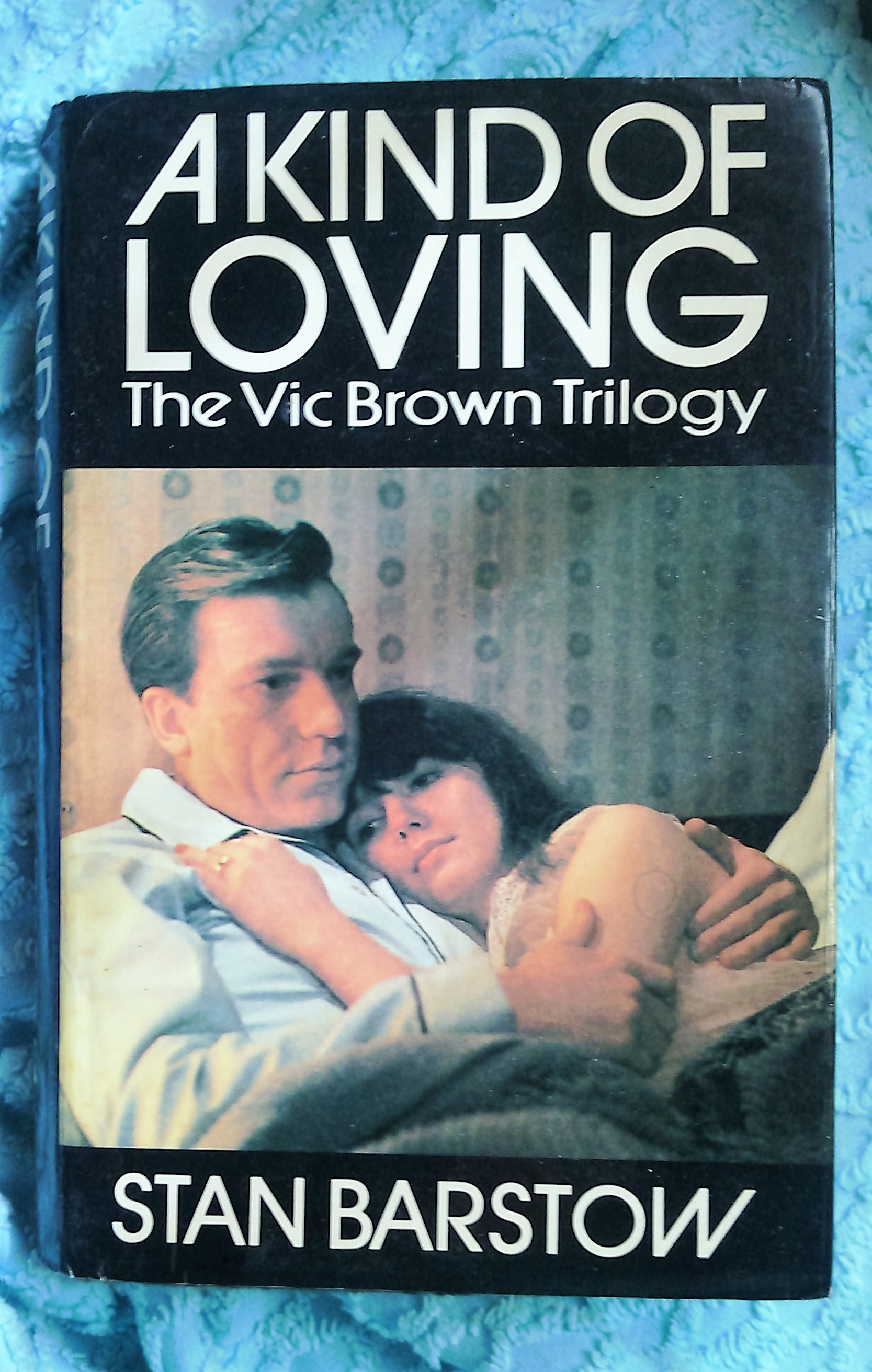
A Kind Of Loving by Stan Barstow.
IMG_20150729_113646 (2)In the late fifties and the early sixties the UK film industry underwent a minor revolution. A new type of gritty realism began to emerge in a series of films like ‘A Taste of Honey’, ‘Saturday Night and Sunday Morning’, ‘Alfie’, ‘Georgy Girl’ and of course, ‘A Kind Of Loving’.

The movie is a wonderful slice of early sixties northern life and for a northern lad myself a great chance to see the north represented in the cinema. The movie was based on the book by Stan Barstow and it was another find in a second hand book shop.

The book shown here is actually a trilogy, three books in a series about the main character Vic Brown: ‘A Kind of Loving’, ‘Watchers On the Shore’ and ‘The Right True End’ and the cover pictures are not from the film but the TV version that was made in the eighties.

The story is a simple one, boy meets girl, she gets pregnant, the boy doesn’t really love her but gets married to her anyway. Reading this book brought back my own early childhood and all the stories about office working and family weddings all ring true for me, so much so that sometimes I felt as though I was reading about myself.

I do love that in a book when the writer finds something inside me, the reader, and turns it round to make a personal connection between reader and writer. Stan Barstow was born in the west Riding of Yorkshire. He was the son of a coal miner and worked in a drawing office like his character Vic brown. He died in 2011 aged 83.

To read part one of my second hand books post, click here.


If you liked this post, why not buy my book? Click here to go to amazon or click the links at the top of the page to find out more.


Writing, blogging and the Power of Books.

Writing, Blogging and booksWhere ever I have lived or stayed there will always be a time when you will find me curled up in bed by the glow of my reading lamp, reading a good book. If I rewind all the way back to my childhood that is still where you will find me, with either a book or a comic. One of the first books I can remember reading was a book I got for Christmas, it was in two parts, one part was about the mythical King Arthur and the other about the legendary Robin Hood. I have been interested in both of those two people ever since, perhaps because of that book. King Arthur and his knights of the round table: Was there really a round table, was there a Camelot? Was there even a King Arthur or was it just the imagination of Sir Thomas Mallory who wrote the book Morte d’Arthur many years ago. Was there a man called Robin Hood? Well, those are just two stories that continue to fascinate me and are still with us in books and in the movies.
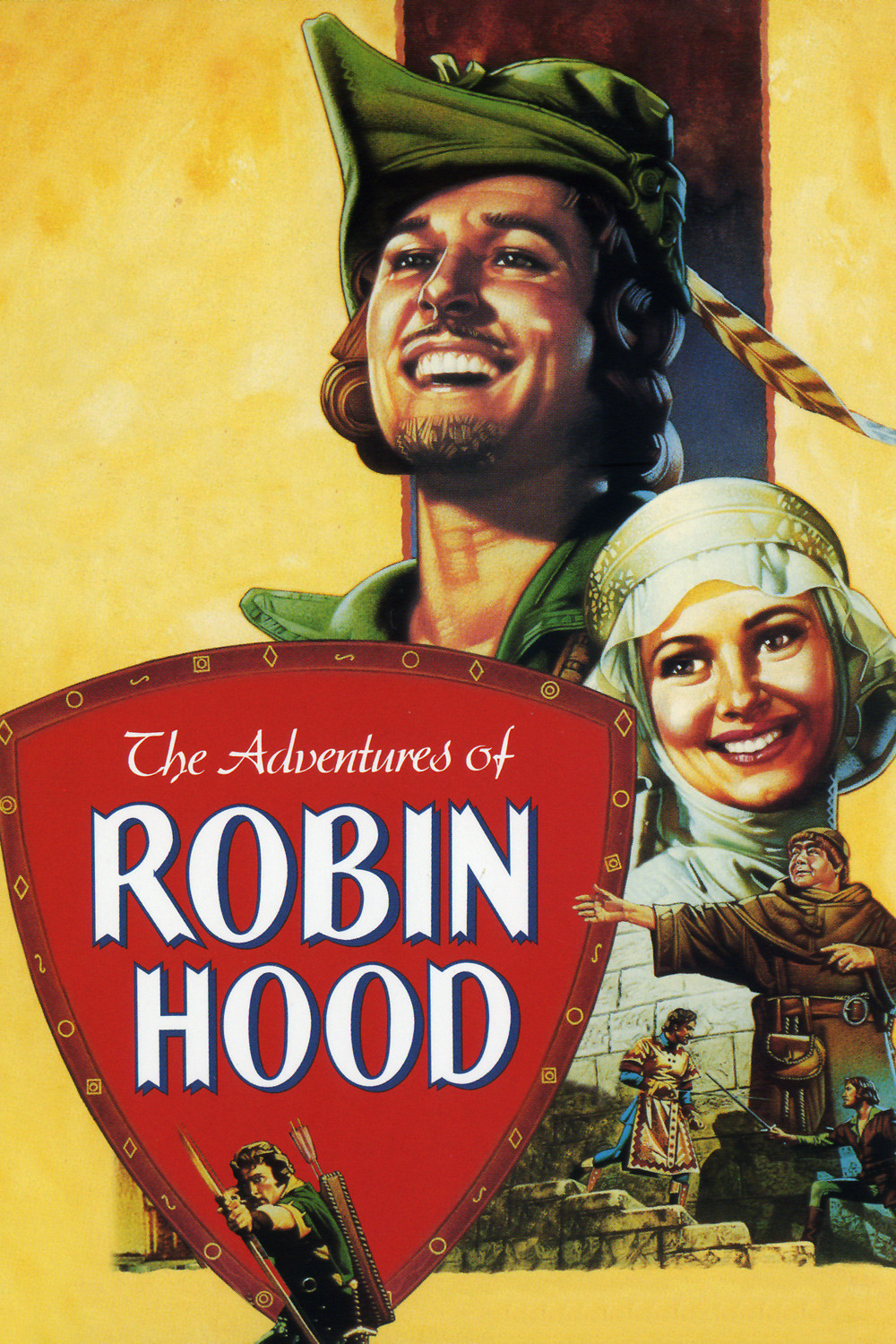

srfQGYLvEkOpm9pxXCkIUGTMhWN Errol Flynn played Robin in the wonderful ‘Adventures of Robin Hood’, Kevin Costner also played Robin in a more recent movie and when I was a schoolboy as well as reading about Robin I could rush home and watch the Robin Hood TV show with its cheery theme song ‘Robin Hood, Robin Hood riding through the glen’.

Reading stories like that is the catalyst that makes someone into a writer. It’s not enough to read a great story, you want to tell one too. I have been a writer as long as I can remember and if there is a pencil and a notebook handy I will write in it. As a TV obsessed child I invented numerous TV programmes, wrote scripts for the pilot shows and cast all the characters. I wrote stories too and English was always my favourite lesson at school. I do a great deal of writing in my car. Well, not the actual writing but the thinking anyway. I’ll get an idea and think about it then I’ll store it somewhere in my head and return to the theme on my next journey. I have an old dictation machine in my car, a small hand-held gadget with mini tapes and I frequently grab it and mutter something into it. When I get an idea that I don’t have time to stew over or even when some phrase or line of poetry comes to me that I think is worth hanging on to, it is quite a handy gadget to have.

I started this blog as a way of publicising my self-published kindle e-book but now I think I’m more interested in the blog than the book! Because of this blog I’m becoming more of a seasoned and professional writer. After all, if I was a professional journalist or columnist I would need to be thinking ahead, what’s happening in the world, what can I write about? What can I comment about? Now, just like a professional writer I’m looking ahead and I always have two or even three draft blogs in the pipeline. Whenever I’ve started to worry about what to write next, something has come to me and usually it’s a couple of related ideas that I can make into two separate blogs. Blogging is increasing my output as a writer and making me think more about my work. Yes, I’m actually becoming a proper writer!

If you liked this post then why not try my book! Click the icon below;

FIScoverbuynow